
CNC medical component machining
-Medical-Grade Precision CNC Parts
-DFM Support by Experienced Engineers
-30-Minute Quote | Fast Turnaround
All the documents are confidential.
medical equipment Application
CNC machined parts are widely used in the medical industry, including diagnostic equipment, laboratory analyzers, imaging systems, surgical instruments, dental devices, and medical automation equipment. These components often require high precision, excellent surface finish, and strict dimensional consistency to ensure reliable equipment performance.
Advantages of CNC machining for medical parts:
• High Precision
• Consistent Quality
• Complex Geometry
• Fast Prototyping & Production
Medical equipment processing capacity
CNC Turning
CNC lathes equipped with live tooling are ideal for machining cylindrical parts
·delivery time: 5 days
CNC Milling
Ideal for cost-effective prototype production
·3-axis, 4-axis & 5-axis
·delivery time: 5 days
Sheet Metal Fabrication
Precision laser cutting and bending services for custom metal components
·delivery time: 5 days
Parts of medical automation equipment
CNC machining is widely used in diagnostic equipment, laboratory automation systems, medical imaging devices, surgical instruments, dental equipment, and patient monitoring devices, where precision, reliability, cleanliness, and long-term stability are critical requirements.
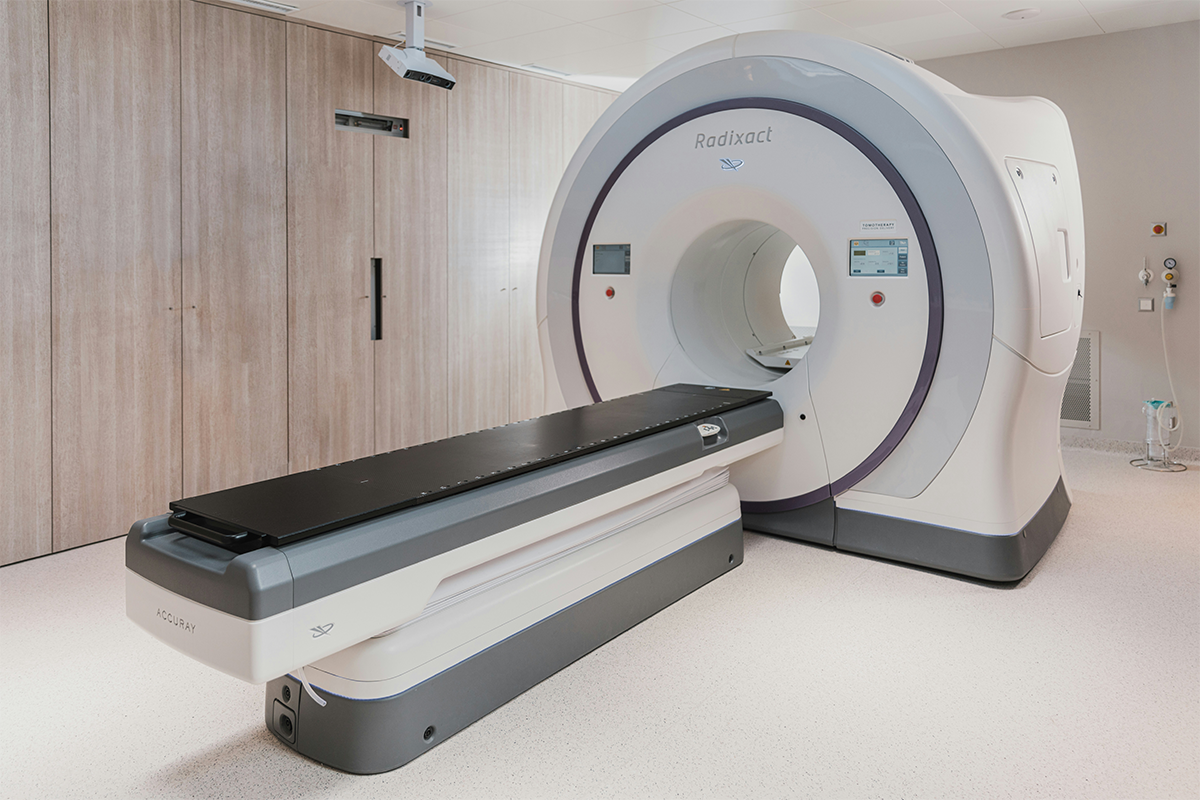
CT machine
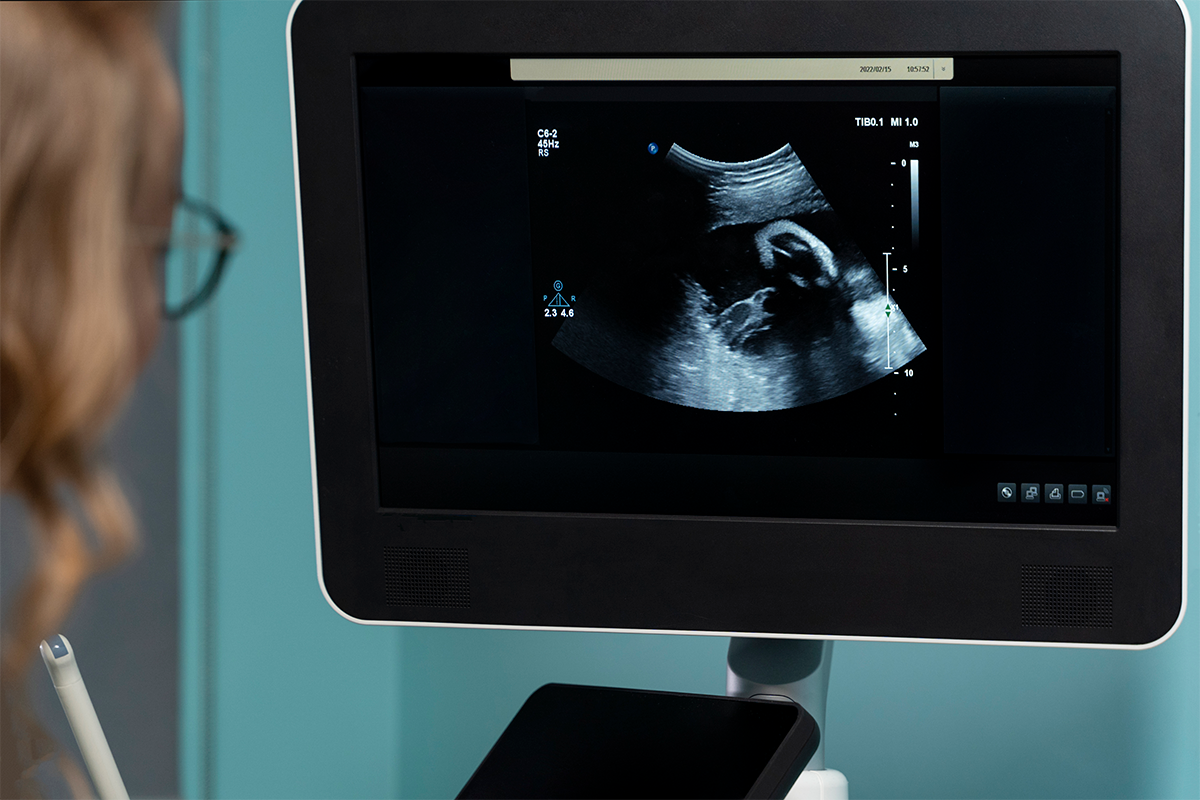
ultrasound machine
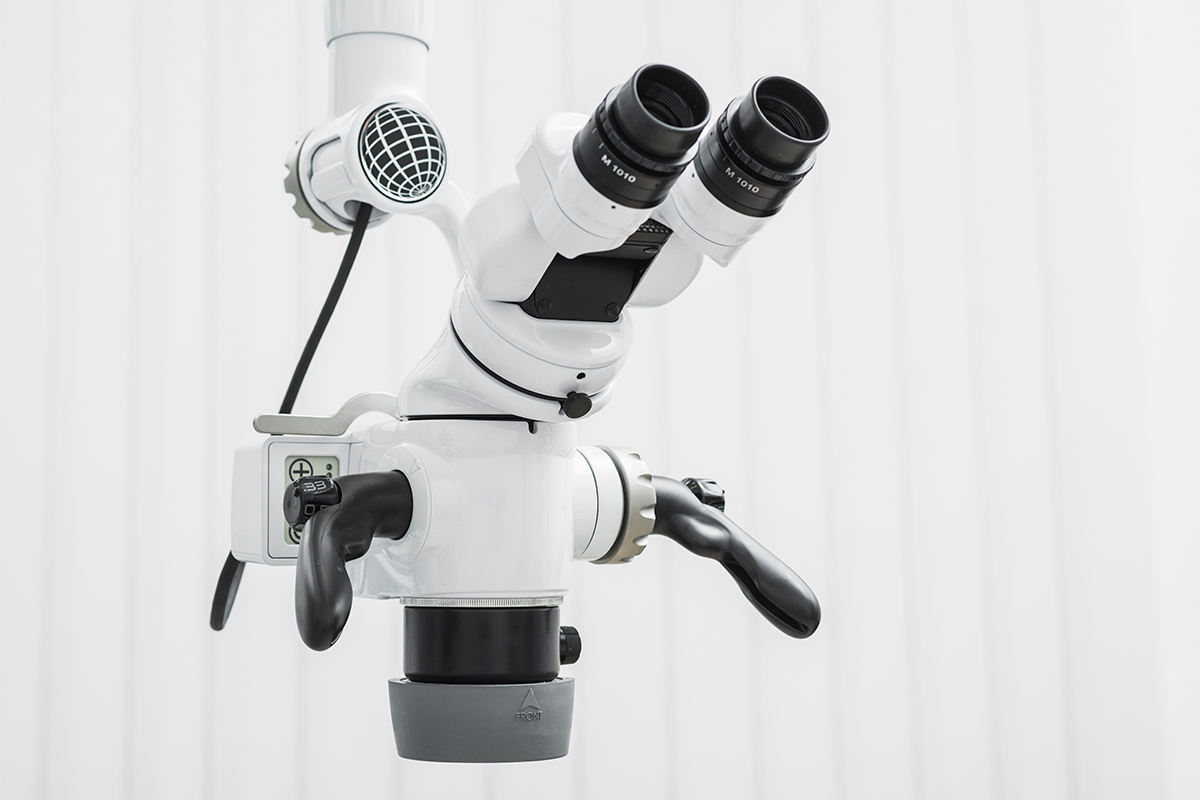
dental x-ray unit
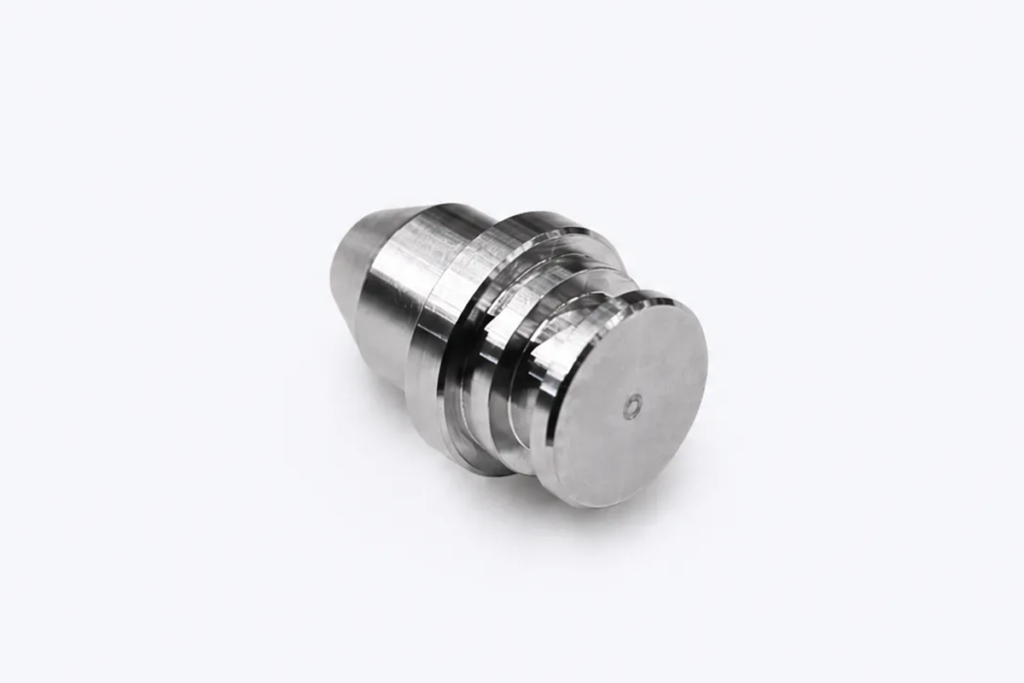
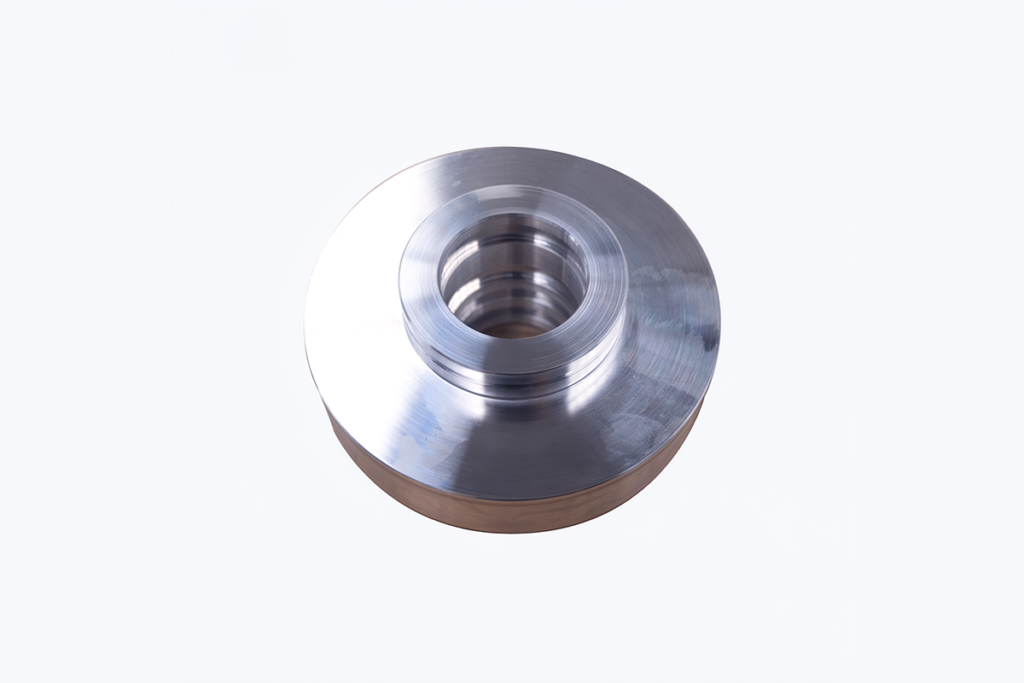
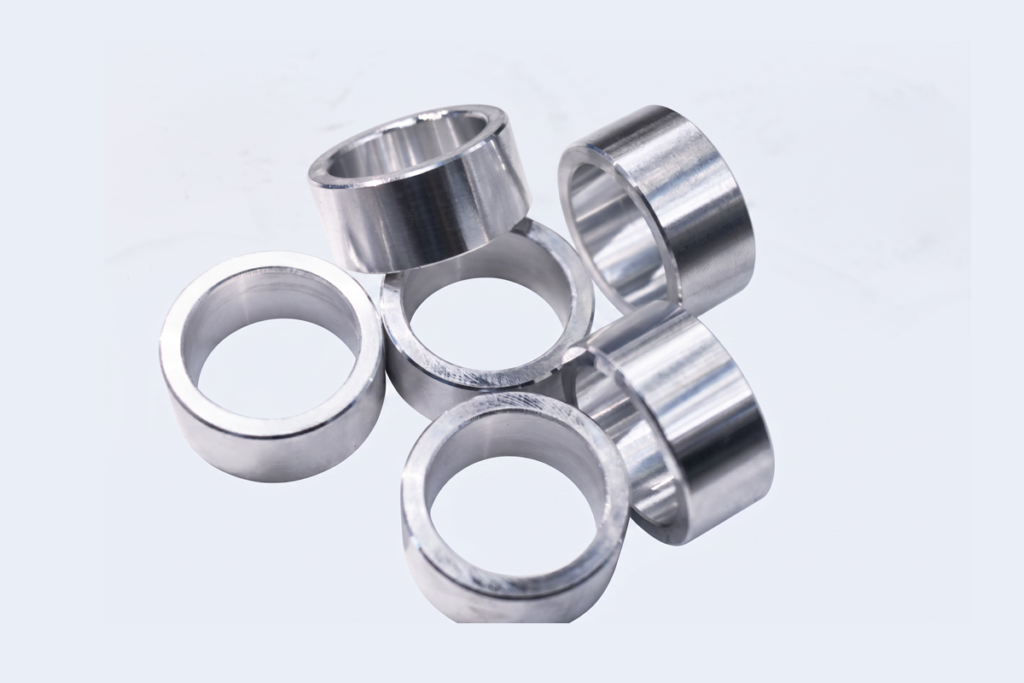
Actual part cases in medical equipment
Yiling CNC provides precision CNC machining services for industrial machinery and automation equipment. We machine 30+ metals, including Stainless Steel 304, Aluminum 6061, and 45# Steel, to customer drawings with tolerances as tight as ±0.01 mm and strict quality inspection.
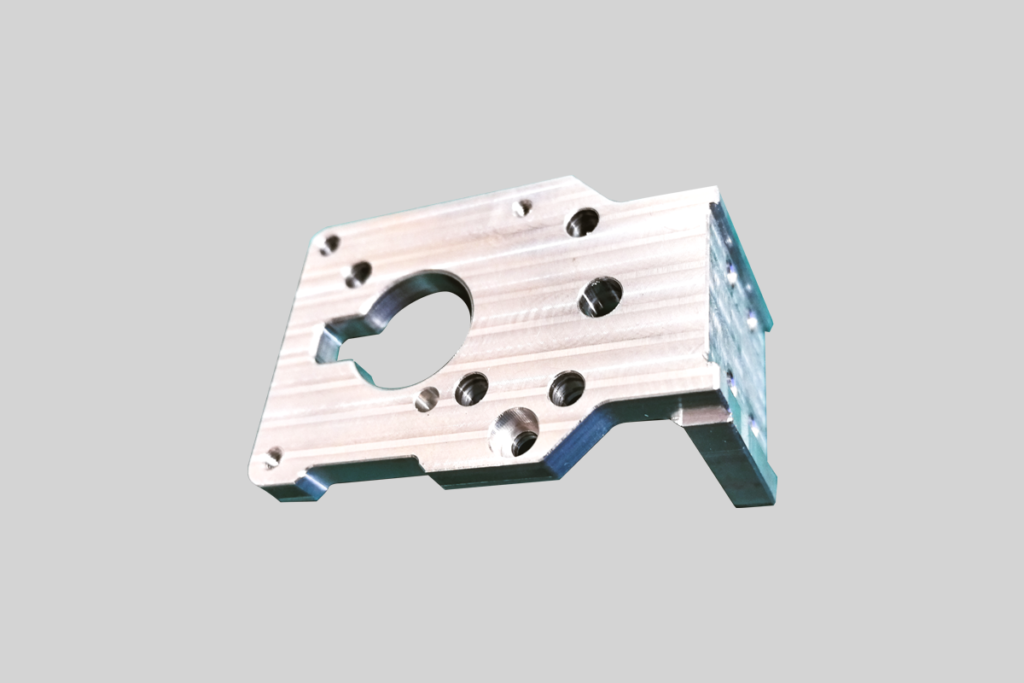
Materials and Surface Treatment
Materials
Choose from over 30 metal and engineering plastic materials, covering more than 90% of medical device component applications. These materials offer excellent corrosion resistance, durability, machining precision, and long-term reliability, meeting the stringent performance requirements of the medical industry.
Stainless Steel: 304 / 316L
Aluminum: 6061 / 7075
Brass & copper alloys: C360, copper C110, copper C101
Titanium Alloys
Thermoplastics: Polycarbonate (PC), ABS M30i, PLA, PEEK, Ultem 1010, PA 12
Engineering Plastics (PEEK, POM, PTFE)
surface treatment
Surface finishing for medical components is primarily applied to enhance corrosion resistance, wear resistance, cleanliness, and appearance, ensuring compliance with the medical industry's strict requirements for reliability, hygiene, and long-term performance.
Passivation (Stainless Steel)
Anodizing (Aluminum)
Electropolishing
Bead Blasting
Powder Coating
Nickel/Chrome Plating
Mechanical Polishing