Introduction: Understanding CNC Milling in Modern Manufacturing
CNC milling is one of the most widely used precision manufacturing processes for creating high-quality metal and plastic components. With computer-controlled cutting tools, CNC milling allows manufacturers to produce complex geometries, tight tolerances, and consistent results from prototypes to mass production.
This complete guide explains what CNC milling is, how the CNC milling process works, common machine types, suitable materials, advantages, applications of CNC milling parts, and how CNC milling compares with other manufacturing technologies.
YilingCNC provides custom CNC milling solutions to help engineers and manufacturers produce reliable precision components for different industries.
1. What Is CNC Milling?
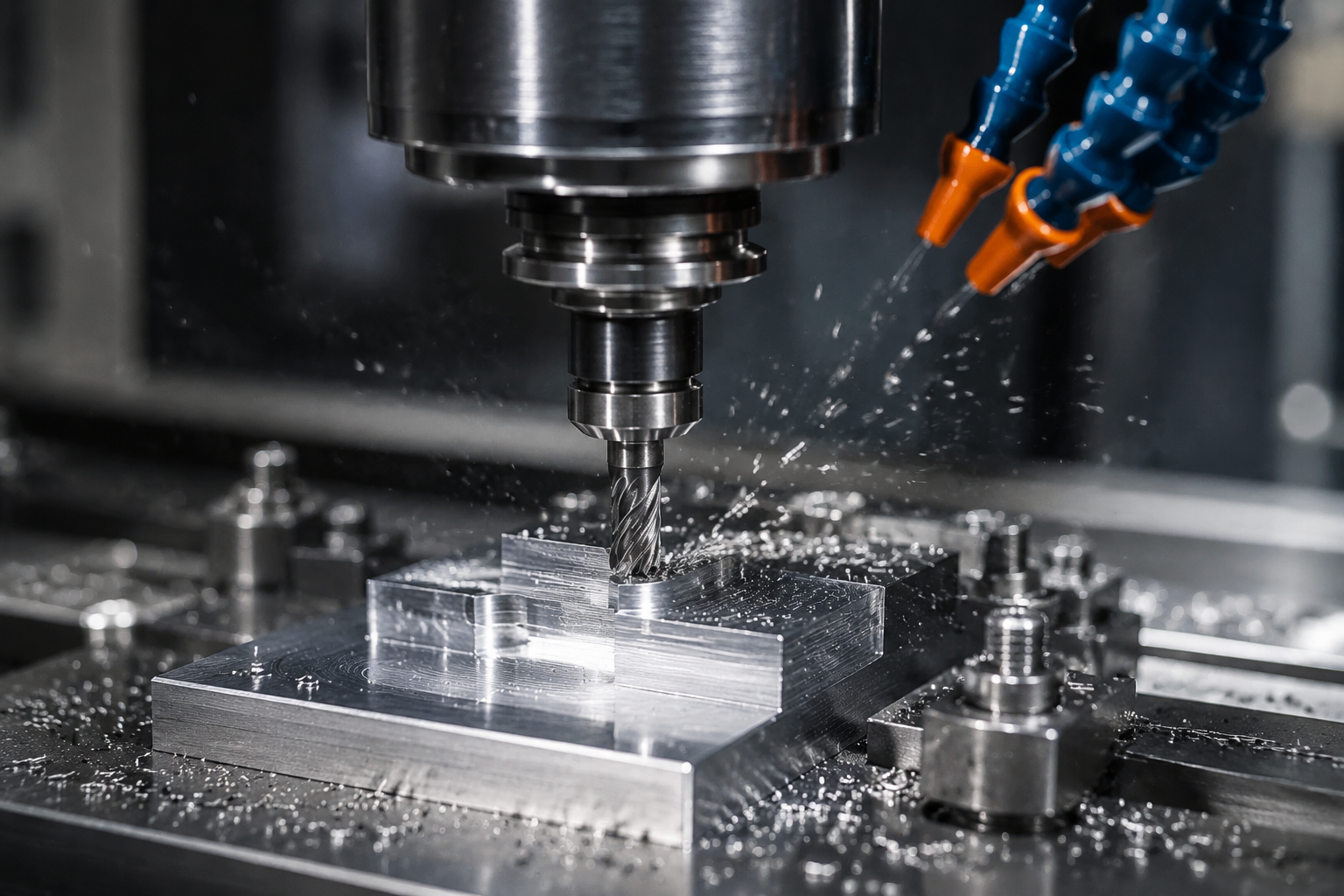
CNC milling (Computer Numerical Control milling) is a subtractive manufacturing process that removes material from a solid workpiece using rotating cutting tools controlled by programmed instructions.
Compared with traditional manual machining, CNC milling provides higher accuracy, better repeatability, and the ability to manufacture complex components efficiently.
Learn more about CNC machining standards and manufacturing information:
https://www.nist.gov/
2. How Does the CNC Milling Process Work?
The CNC milling process usually includes several important steps:
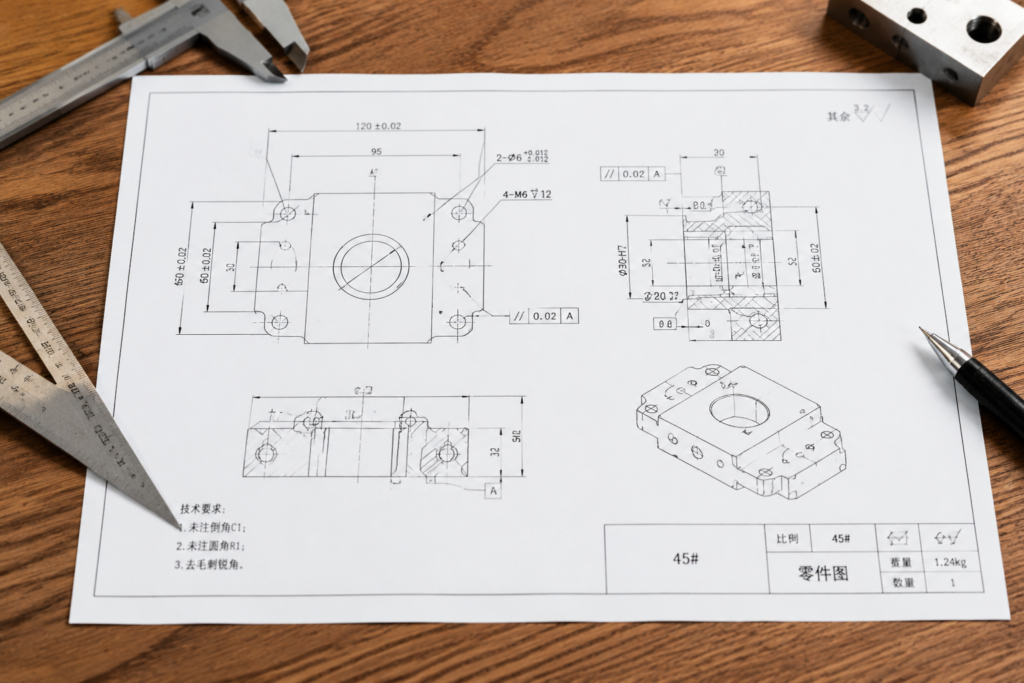
CAD Design:
Engineers create 2D drawings or 3D models with required dimensions and tolerances.
CAM Programming:
CAM software converts designs into machining paths and generates G-code instructions.
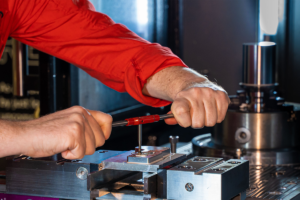
Machine Setup:
Operators prepare materials, cutting tools, and machining parameters.
Milling Operation:
The CNC machine removes material according to programmed paths.
Quality Inspection:
Finished parts are inspected to ensure accuracy, tolerance, and surface requirements.
3. Types of CNC Milling Operations
Different CNC milling operations are used depending on part complexity and design requirements.
Common operations include:
– Face milling for flat surfaces
– End milling for slots, pockets, and profiles
– Profile milling for complex contours
– Drilling and tapping for holes and threads
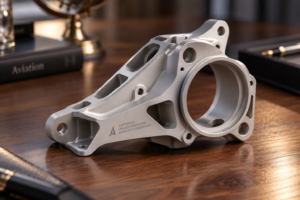
Modern CNC milling machines include 3-axis, 4-axis, and 5-axis systems. 5-axis CNC milling is especially suitable for complex aerospace, medical, and precision engineering components.
4. Materials Used for CNC Milling Parts
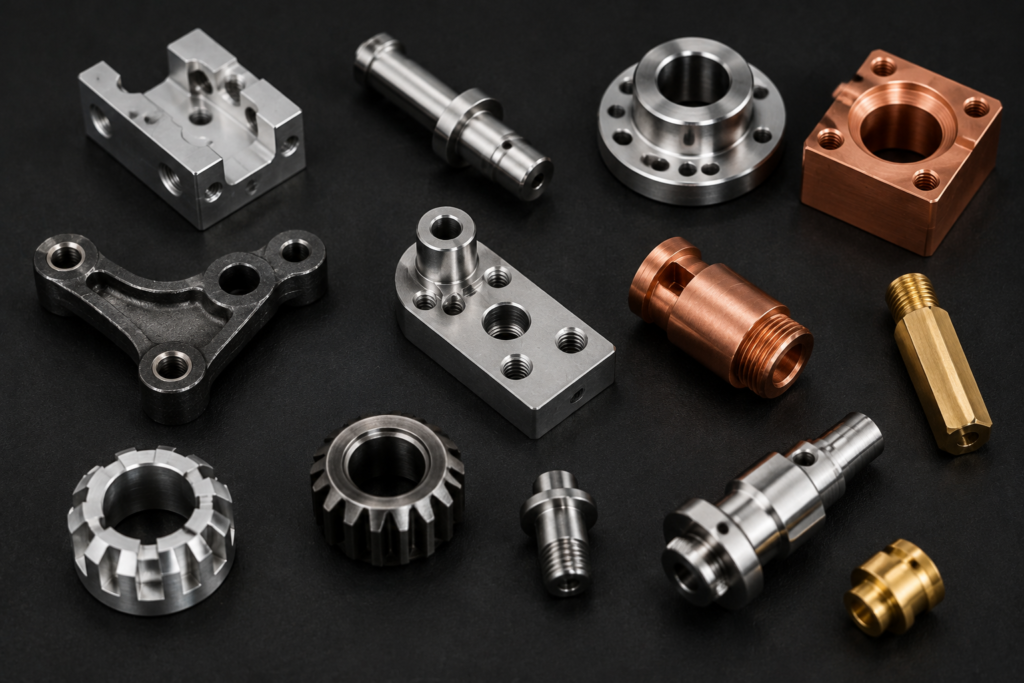
CNC milling parts can be manufactured from many engineering materials.
Aluminum CNC Milling Parts:
Aluminum 6061 and Aluminum 7075 are popular because of their lightweight properties, excellent machinability, and corrosion resistance.
Stainless Steel:
Provides high strength, durability, and excellent corrosion resistance.
Other CNC milling materials include:
– Brass
– Copper
– Titanium
– Engineering plastics
Material selection depends on strength requirements, working environment, cost, and application needs.
5. Advantages and Limitations of CNC Milling
Advantages of CNC milling:
– High precision machining
– Excellent repeatability
– Complex geometry capability
– Wide material compatibility
– Suitable for prototypes and production
Limitations:
– Higher cost for very simple components
– Cutting tool access restrictions
– Internal corner radius limitations
– More material waste compared with additive manufacturing
6. Industries Using CNC Milling Parts

CNC milling parts are widely used across advanced industries.
Aerospace:
Aircraft structures, brackets, and lightweight precision components.
Automotive:
Engine components, prototypes, and electric vehicle parts.
Medical:
Surgical instruments and equipment components.
Electronics:
Aluminum housings, heat sinks, and precision enclosures.
Industrial Automation:
Robot components, fixtures, and custom machine parts.
7. CNC Milling vs Other Manufacturing Processes
CNC Milling vs CNC Turning:
CNC milling uses rotating cutting tools and is suitable for complex geometries, while CNC turning is mainly used for cylindrical parts.
CNC Milling vs 3D Printing:
CNC milling provides better material strength, tighter tolerances, and improved surface quality.
CNC Milling vs Injection Molding:
CNC milling is ideal for prototypes and small-to-medium production, while injection molding is more suitable for very large production volumes.
Additional CNC technology information:
https://www.mmsonline.com/
8. How to Choose a Reliable CNC Milling Manufacturer?
Selecting the right CNC milling manufacturer is important for product quality and production efficiency.
Important factors include:
– CNC machining capabilities
– 3-axis, 4-axis, and 5-axis equipment
– Material expertise
– Tight tolerance control
– Surface finishing options
– Quality inspection systems
YilingCNC provides precision CNC milling services, prototype machining, production manufacturing, and multiple surface finishing solutions to meet customer requirements.
Conclusion
CNC milling is a powerful manufacturing technology that provides precision, flexibility, and reliability for producing complex components.
From aerospace and automotive to medical devices and electronics, CNC milling parts play an important role in modern manufacturing.
With advanced machining equipment, engineering experience, and strict quality control, YilingCNC delivers high-quality CNC milling solutions from prototype development to production manufacturing.