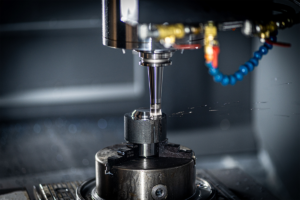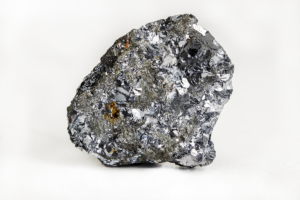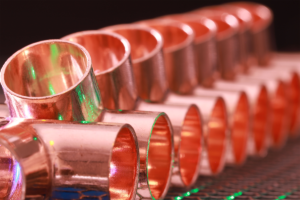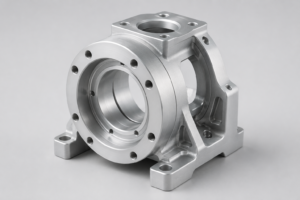
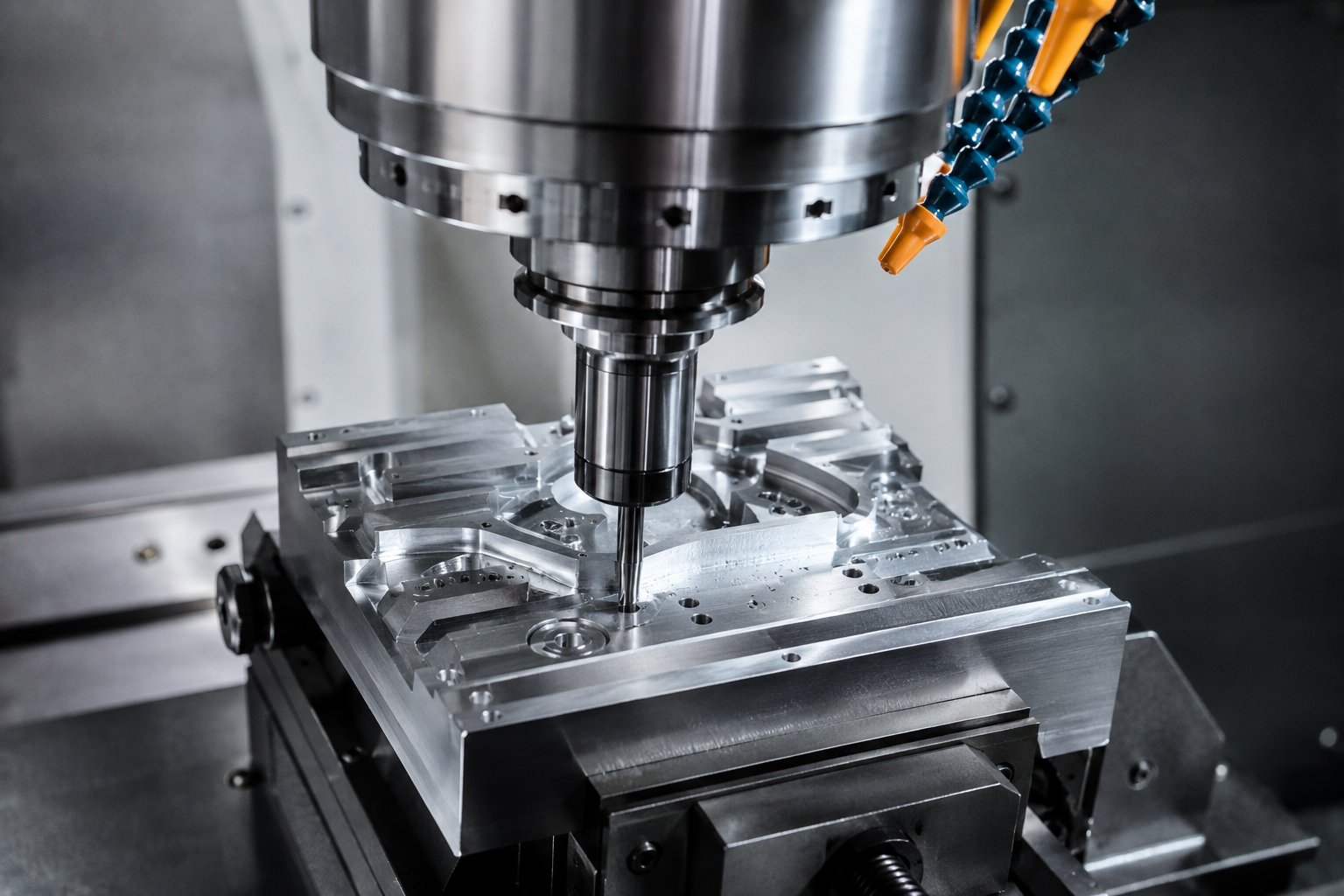
CNC machining is one of the most widely used manufacturing methods in modern industry. From simple metal brackets and threaded connectors to aerospace structural parts, medical devices, and electronic enclosures, a wide range of components can be produced through CNC machining.
Unlike conventional machine tools that rely heavily on manual operation, CNC machines follow preprogrammed instructions to control the movement of cutting tools and workpieces automatically. This manufacturing method not only improves accuracy and production consistency but also makes it possible to produce parts with complex geometries and strict dimensional requirements.
This article explains the basic meaning of CNC, how CNC machining works, the most common CNC machining processes, and the differences between CNC milling and turning. It also discusses material-related machining challenges, achievable accuracy, manufacturing costs, and key design considerations.
1. The Basic Definition of CNC
CNC stands for Computer Numerical Control. It refers to an automated manufacturing technology in which computer programs control machine movements and machining parameters.
During CNC machining, an operator does not need to control the cutting tool continuously by hand. Instead, the control system reads a prewritten program and uses it to manage spindle speed, tool direction, feed rate, cutting depth, and tool changes.
CNC machining is generally considered a subtractive manufacturing process. Material is gradually removed from a metal or plastic workpiece until the desired shape and dimensions are achieved.
Common CNC machining operations include:
- Milling
- Turning
- Drilling
- Boring
- Tapping
- Reaming
- Engraving
Traditional machine tools rely mainly on operators to adjust handwheels, tool posts, and worktables manually. As a result, machining quality is closely related to the operator’s skill and experience.
CNC machines convert many of these actions into digital instructions, allowing the machining process to be controlled more consistently.
However, CNC machining does not eliminate the need for skilled professionals. Programming, tool selection, fixture design, parameter setup, and quality inspection still require substantial technical knowledge.
2. How Does CNC Machining Work?
CNC machining usually begins with a digital part design and continues through programming, setup, cutting, inspection, and post-processing.
Creating the Part Design
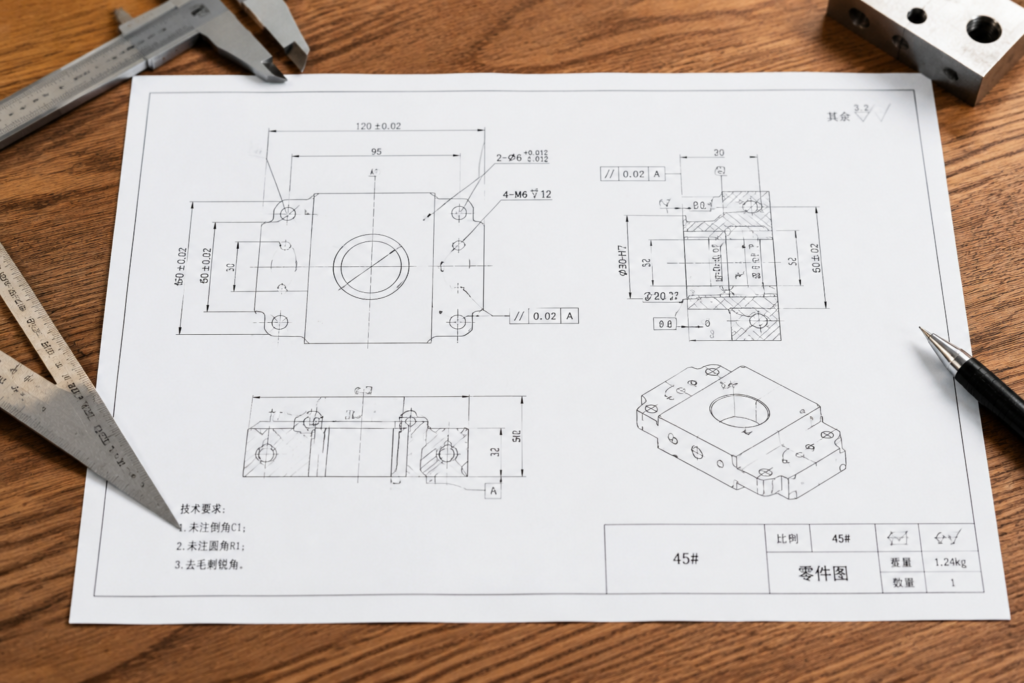
First, engineers use CAD software to create a two-dimensional drawing or three-dimensional model of the part.
The design file should include the basic geometry, dimensions, hole locations, threads, and assembly features.
For precision components, a two-dimensional engineering drawing may also specify:
- Dimensional tolerances
- Geometric tolerances
- Surface roughness
- Material grade
- Heat-treatment requirements
- Surface-finishing requirements
The three-dimensional model is mainly used to generate toolpaths, while the two-dimensional drawing communicates manufacturing and inspection requirements.
Generating the Machining Program
After the part model is completed, it must be converted into a program that the CNC machine can execute.
Programmers usually use CAM software to select machining methods, cutting tools, and operation sequences. They also define spindle speed, feed rate, cutting depth, and tool compensation.
The CAM software generates toolpaths based on the part geometry and converts them into machine-readable instructions.
These instructions commonly include G-code, which controls tool movement, and M-code, which controls functions such as spindle operation, coolant flow, and tool changes.
Before machining begins, the program is often simulated to check for tool collisions, overcutting, or missing operations.
Setting Up the Machine and Workpiece
Once the program is ready, the operator selects the appropriate machine, tools, and workholding equipment.
Milled parts are commonly secured with vises, clamps, or custom fixtures. Turned parts are usually held in a chuck, collet, or between centers.
Machine setup may also include:
- Installing and measuring tools
- Establishing the work coordinate system
- Setting the machining origin
- Checking clamping stability
- Adjusting the coolant system
- Confirming the program and material
Stable workholding is essential for accuracy and surface quality. If a workpiece is not secured properly, it may vibrate, shift, or even come loose during machining.
Performing the Machining Operations
After the machine starts, the CNC control system follows the program and coordinates the cutting tool and machine axes.
Roughing operations usually remove large amounts of material quickly. Finishing operations use smaller cutting depths and more precise tools to achieve the final dimensions and surface quality.
Although most machine movements are automated, operators still monitor tool wear, chip formation, machining sounds, and coolant performance.
If an abnormal condition occurs, the machine should be stopped and inspected.
Inspection and Post-Processing
After machining, the part must be inspected for dimensional accuracy and visual quality.
Common inspection tools include calipers, micrometers, height gauges, thread gauges, surface profilometers, and coordinate measuring machines.
The inspection method depends on the complexity of the part and its tolerance requirements.
Some components can be used immediately after machining, while others may require additional processes such as:
- Deburring
- Polishing
- Sandblasting
- Anodizing
- Electroplating
- Painting
- Heat treatment
- Laser marking
Post-processing can improve appearance, corrosion resistance, wear resistance, or mechanical performance.
3. Why Is CNC Machining Widely Used?
CNC machining is widely adopted because it offers a strong balance of accuracy, efficiency, material flexibility, and production adaptability.
High Machining Accuracy
CNC machines can control tool position and travel distance precisely.
Compared with manual machining, CNC systems are better suited to maintaining consistent dimensions and geometric relationships. This makes them useful for assembly parts and precision mechanical components.
Good Repeatability
The same CNC program can be run repeatedly.
As long as the material, tools, fixtures, and machine condition remain stable, multiple parts can be produced with very similar dimensions.
This is important in batch production, where components must be interchangeable.
Ability to Produce Complex Features
CNC machines can create slots, holes, steps, cavities, curved surfaces, and threads.
Multi-axis machines can also approach a workpiece from different angles, reducing the need for repeated setups and making it possible to produce geometries that are difficult to machine on standard three-axis equipment.
Suitable for Prototypes and Low-Volume Production
CNC machining generally does not require expensive production molds.
Once the design files, program, material, and fixtures are ready, production can begin.
When a design changes, the CAD model and machining program can be updated quickly. This makes CNC machining suitable for product development, functional testing, and low-volume manufacturing.
Wide Range of Compatible Materials
CNC machining can process many metals and engineering plastics, including aluminum, stainless steel, carbon steel, brass, copper, titanium, POM, nylon, and PEEK.
Designers can select materials based on strength, weight, heat resistance, conductivity, and corrosion resistance.
4. Common Types of CNC Machining
Different part geometries require different CNC machining methods.
CNC Milling
CNC milling uses a rotating cutting tool to remove material from a fixed workpiece.
The cutting tool or machine table can move in multiple directions to create flat surfaces, holes, slots, steps, cavities, and curved features.
Three-axis milling machines move along the X, Y, and Z axes and are suitable for most conventional components.
Four-axis and five-axis machines add rotational movement, allowing multiple sides and more complex surfaces to be machined.
CNC milling is commonly used to produce:
- Mechanical brackets
- Metal enclosures
- Mounting plates
- Mold components
- Heat sinks
- Aerospace structural parts
CNC Turning
In CNC turning, the workpiece rotates at high speed around the spindle while a cutting tool moves along its surface.
This process is particularly suitable for cylindrical, conical, and rotationally symmetrical parts.
A CNC lathe can perform operations such as outer-diameter cutting, internal boring, facing, grooving, threading, and chamfering.
CNC turning is commonly used to produce:
- Shafts
- Pins
- Bushings
- Threaded fittings
- Flanges
- Connectors
CNC Drilling
CNC drilling is primarily used to create holes in a workpiece, including through-holes, blind holes, and locating holes.
Drilling can be performed on milling machines, lathes, or dedicated drilling machines.
Depending on the required accuracy, drilled holes may later be reamed, bored, or tapped.
CNC Boring
Boring enlarges or finishes an existing hole.
It is mainly used to improve hole diameter, roundness, concentricity, and surface quality.
For holes that must fit accurately with bearings, pins, or shafts, boring is often more suitable than standard drilling.
CNC Tapping
Tapping is used to create internal threads in a hole.
A CNC machine controls the rotational speed and feed of the tap to produce a standard internal thread.
Tapping is commonly used for assembly holes, fastening holes, and mechanical connections.
Mill-Turn Machining
Mill-turn machines can perform turning, milling, and drilling operations on a single machine.
For parts that combine cylindrical features with flats, holes, or slots, mill-turn machining can reduce transfers between machines and minimize repeated setups.
5. What Is the Difference Between CNC Milling and Turning?
Milling and turning are both common CNC machining processes, but they differ significantly in motion, workpiece geometry, and typical applications.
Different Cutting Motions
In milling, the cutting tool rotates at high speed while the workpiece remains fixed or moves with the machine table.
In turning, the workpiece rotates at high speed while the cutting tool moves along its surface.
This is the most fundamental difference between the two processes.
Different Suitable Part Shapes
Milling is better suited to square, plate-shaped, multi-sided, and irregular parts.
Equipment housings, brackets, molds, and mounting plates are commonly produced by milling.
Turning is better suited to cylindrical, conical, and rotationally symmetrical components, such as shafts, pins, sleeves, and threaded fittings.
Different Machining Features
Milling is commonly used to produce:
- Flat surfaces
- Cavities
- Straight slots
- Curved surfaces
- Multi-directional holes
- Irregular profiles
Turning is commonly used to produce:
- Outer diameters
- Inner diameters
- End faces
- Tapered surfaces
- Circumferential grooves
- Internal and external threads
Different Workholding Methods
Milled parts are usually secured in a vise, on a machine table, or in a custom fixture.
Turned parts are generally held by a chuck, collet, or centers and rotate with the spindle.
For thin-walled or irregular parts, workholding design may be more challenging than the actual cutting operation.
Different Machining Efficiency
Turning is usually more efficient for cylindrical parts because the workpiece rotates continuously while the tool removes material steadily.
Milling offers greater flexibility for parts with multiple faces or complex geometries because the tool can approach the workpiece from different directions.
When a part includes both cylindrical and multi-sided features, mill-turn machining may be the most practical option.
6. Challenges of Machining Different Materials
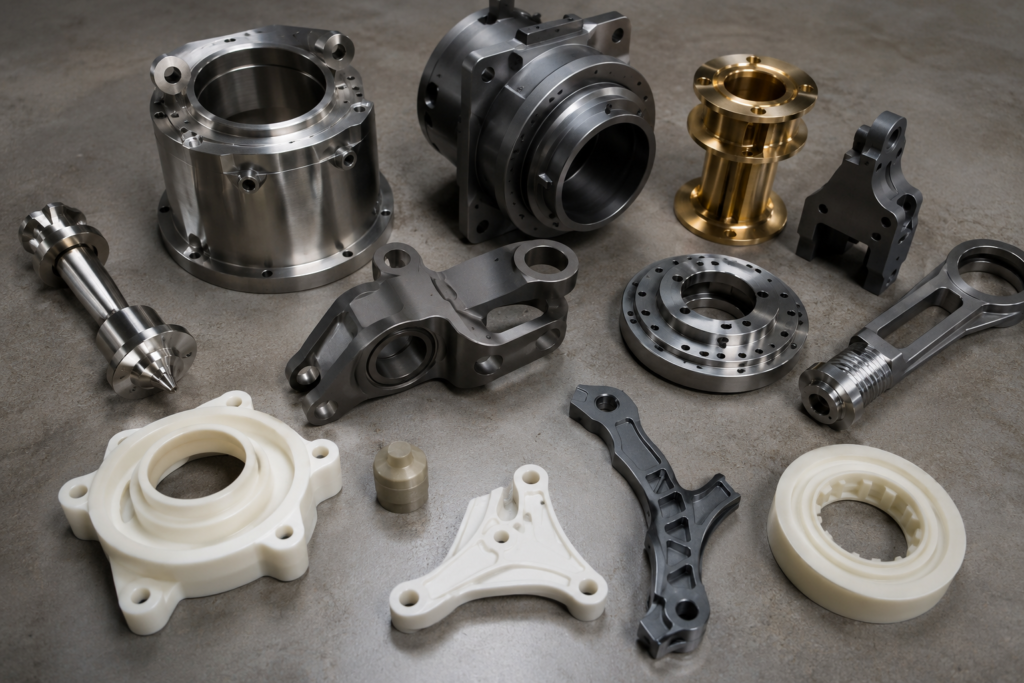
Different materials have different hardness, toughness, thermal conductivity, and chip-forming characteristics. As a result, they cannot all be machined with the same tools and parameters.
Aluminum
Aluminum is lightweight, easy to machine, and one of the most common mqaterials used in CNC production.
It generally supports high cutting speeds, which helps reduce lead time and cost.
However, softer aluminum grades may stick to the cutting tool and form built-up edges, reducing surface quality.
Thin-walled aluminum parts can also deform under cutting forces or clamping pressure.
Stainless Steel
Stainless steel offers good strength and corrosion resistance, but it is usually more difficult to machine than aluminum.
It generates considerable heat during cutting, and some grades harden rapidly during machining.
If cutting speed, feed rate, or coolant conditions are not properly controlled, tool wear may increase significantly.
Carbon Steel and Alloy Steel
The machinability of steel depends on its grade and heat-treatment condition.
Low-carbon steel is generally easier to machine, while high-strength alloy steel and hardened steel place greater loads on cutting tools.
Harder materials may require carbide tooling, lower cutting speeds, or specialized machining strategies.
Copper
Copper has excellent electrical and thermal conductivity, but it is soft and may adhere to cutting tools.
Pure copper can produce burrs, surface tearing, and scratches.
Thin-walled copper components are also susceptible to deformation, so clamping force and cutting parameters must be controlled carefully.
Brass
Brass generally has good machinability and often forms short, manageable chips.
It is commonly used for precision fittings, valves, and electrical connectors.
However, machinability varies between brass grades, and some parts still require careful burr and surface-damage control.
Titanium
Titanium has a high strength-to-weight ratio and excellent corrosion resistance, making it common in aerospace and medical applications.
Its main machining challenge is low thermal conductivity.
Heat remains concentrated near the cutting edge, which can accelerate tool wear.
Titanium is usually machined at lower speeds with effective cooling and tools designed specifically for titanium alloys.
Engineering Plastics
Engineering plastics such as POM, nylon, ABS, polycarbonate, and PEEK can also be CNC machined.
Compared with metals, plastics generally have lower strength and thermal conductivity and are more sensitive to heat.
Excessive cutting temperatures may cause melting, distortion, or burr formation.
Some plastics also absorb moisture or contain internal stresses, which may lead to dimensional changes after machining.
7. What Level of Accuracy Can CNC Machining Achieve?
CNC machining can produce highly accurate components, but the actual accuracy is not fixed.
It depends on machine performance, material, part size, geometry, workholding, and inspection requirements.
Dimensional Tolerances
A dimensional tolerance defines how much an actual part dimension may deviate from its specified value.
General mechanical parts can often use standard tolerances, while bearing bores, locating holes, and precision mating surfaces may require tighter control.
The tighter the tolerance, the higher the machining difficulty and cost.
Geometric Tolerances
In addition to basic dimensions, parts may need controls for flatness, perpendicularity, parallelism, concentricity, and position.
Geometric tolerances are closely related to workholding and datum selection.
Even when individual dimensions are acceptable, a part may still fail to assemble correctly if its datums or geometric relationships are not controlled properly.
Surface Roughness
Tool type, tool wear, feed rate, and cutting path all influence surface quality.
Roughing operations focus on removing material quickly and usually leave more visible tool marks.
Finishing operations use smaller cutting depths and feed rates to produce smoother surfaces.
Factors That Affect Accuracy
CNC machining accuracy can be influenced by:
- Machine positioning accuracy
- Spindle condition
- Tool wear
- Workholding rigidity
- Cutting vibration
- Material stress
- Machining temperature
- Inspection equipment and methods
Thin-walled parts, long shafts, and large components are more likely to deform and are usually more difficult to control than compact, rigid parts.
8. What Are the Limitations of CNC Machining?
Although CNC machining is highly flexible, it is not suitable for every part or production requirement.
Limited Material Efficiency
CNC machining removes material to create a part, which generates chips and scrap.
When a component is machined from a large block, material waste may be significant.
For expensive materials such as titanium or copper alloys, material utilization can have a major effect on total cost.
Limited Tool Accessibility
The cutting tool must be able to reach the area being machined.
Fully enclosed cavities, curved internal channels, deep narrow slots, and complex internal structures are difficult to produce with conventional CNC equipment.
Some designs must be modified, divided into multiple components, or manufactured using alternative processes such as EDM or additive manufacturing.
Inability to Produce Perfectly Sharp Internal Corners
Milling cutters have a fixed diameter, so milled internal corners normally include a radius.
If a design requires perfectly sharp internal corners, EDM, manual finishing, or a design modification may be necessary.
Long Preparation Time for Complex Parts
Complex components may require extensive programming, simulation, and fixture design.
Five-axis parts, thin-walled components, and high-precision parts may also require trial cuts and repeated inspections, increasing first-part lead time.
Not Always Suitable for Very High-Volume Production
CNC machining is well suited to prototypes, low-volume production, and medium-volume production.
For very large quantities, injection molding, die casting, stamping, or cold heading may offer a lower cost per part.
9. What Factors Affect CNC Machining Cost?
CNC machining prices are influenced by more than material cost.
Machining time, part complexity, production quantity, and quality requirements all contribute to the final price.
Material Type
Aluminum is usually easier to machine than stainless steel or titanium, so it often requires less machining time and causes less tool wear.
Difficult-to-machine materials require lower cutting speeds, more frequent tool replacement, and more demanding cooling conditions.
Part Size
Larger parts require more raw material and more machine capacity.
As part size increases, machining travel, setup difficulty, and cutting time may also increase.
Geometric Complexity
Complex curved surfaces, deep cavities, deep holes, thin walls, and multi-sided features require more tools and machining operations.
If the part must be repositioned several times, programming and machine time will also increase.
Tolerance Requirements
Tight tolerances require more precise cutting parameters, stable temperature conditions, and additional inspections.
Applying unnecessarily tight tolerances to noncritical dimensions can significantly increase cost without improving part performance.
Number of Setups
Each new setup requires repositioning and rechecking the workpiece.
More setups increase lead time and introduce a greater risk of accumulated error.
Multi-axis or mill-turn machines can sometimes reduce the number of setups.
Order Quantity
A single part must absorb the full cost of programming, fixturing, and machine preparation.
As quantity increases, these setup costs can be distributed across more parts, reducing the unit price.
Surface Finishing and Inspection
Anodizing, plating, sandblasting, polishing, heat treatment, and painting all add cost and lead time.
Requirements such as full coordinate-measuring-machine inspection, material certification, or detailed quality reports can also increase the final price.
10. How to Design Parts for CNC Machining
Designing with manufacturability in mind can shorten lead times, reduce cost, and lower quality risks.
Add Radii to Internal Corners
Perfectly sharp internal corners should be avoided in milled cavities.
Larger corner radii allow the use of larger-diameter tools, improving tool rigidity and machining efficiency.
Very small radii may require thin or extended tools, increasing vibration and tool-breakage risk.
Avoid Excessively Deep Cavities
Deep cavities require longer cutting tools, and longer tool overhang reduces rigidity.
This can cause vibration, tool deflection, and visible surface marks.
Designers should reduce cavity depth where possible or increase the width of the opening.
Control Wall Thickness
Walls that are too thin can deform under cutting and clamping forces.
Reasonable wall thickness differs between metals and plastics and should be selected based on material strength, part size, and machining method.
Use Standard Hole and Thread Sizes
Standard drill, reamer, and thread sizes should be used whenever possible.
Nonstandard holes or special threads can be manufactured, but they often require additional tools and operations.
Avoid Unnecessary Deep Holes
Deep-hole machining can cause chip evacuation problems, tool deflection, and insufficient cooling.
Hole depth should be minimized where possible, and not every hole needs to be specified with extremely tight tolerances.
Reduce the Number of Machining Directions
If several features can be machined from the same direction, the part will require fewer flips and setups.
Reducing the number of setups can shorten lead time and improve positional accuracy between features.
Apply Tight Tolerances Only Where Necessary
Only mating surfaces, locating holes, and critical assembly dimensions should receive tight tolerances.
Using general tolerances on noncritical surfaces can reduce finishing and inspection time.
Choose Milling or Turning Based on Geometry
Rotationally symmetrical parts should usually be designed for turning.
Square, multi-sided, and complex-surface parts are generally more suitable for milling.
If a part combines both types of geometry, its design may be adjusted for mill-turn machining.
11. Frequently Asked Questions
What Parts Are Suitable for CNC Machining?
CNC machining is suitable for metal and plastic prototypes, mechanical components, housings, brackets, shafts, and precision structural parts.
How Should I Choose Between CNC Milling and Turning?
Milling is generally used for multi-sided, plate-shaped, and irregular parts. Turning is better suited to cylindrical and rotationally symmetrical parts.
What Files Are Required for CNC Machining?
A three-dimensional CAD model is usually required. Parts with tight tolerances should also include a two-dimensional engineering drawing.
Is CNC Machining Suitable for Low-Volume Production?
Yes. CNC machining does not require a mold, making it suitable for prototypes, low-volume production, and design revisions.
What Affects CNC Machining Lead Time?
Lead time is mainly affected by material, part size, complexity, quantity, tolerances, and surface-finishing requirements.
How Can CNC Machining Costs Be Reduced?
Costs can be reduced by simplifying the design, avoiding unnecessary tight tolerances, using standard holes and threads, and avoiding deep cavities, deep holes, and very thin walls.