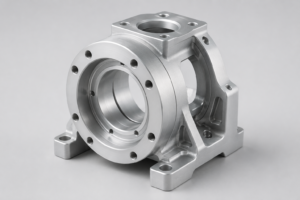
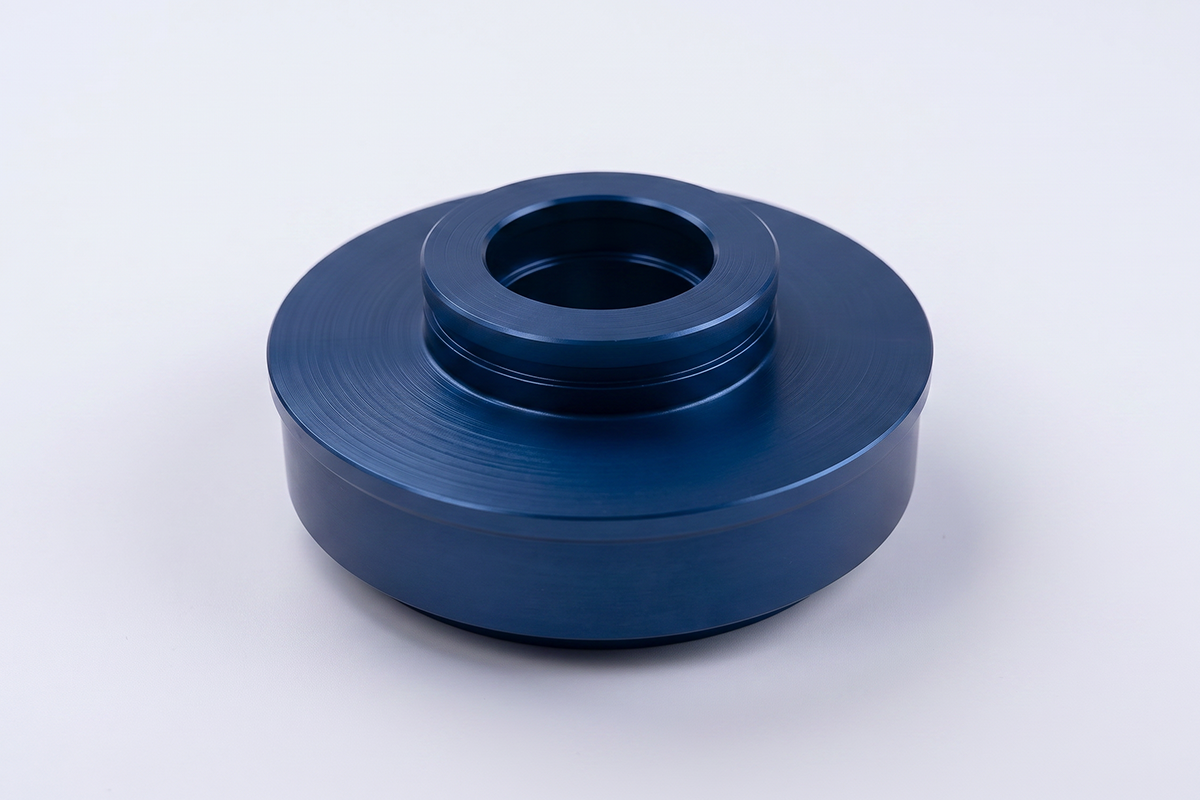
Aluminum alloys parts are widely used in CNC machining due to their light weight, high strength, and excellent machinability. However, untreated aluminum surfaces are relatively soft and can be prone to wear, scratches, and oxidation over time. Anodizing is a common surface finishing process that creates a hard oxide layer on the aluminum surface, improving the performance and service life of CNC machining aluminum parts.
Anodized aluminum parts are widely used in aerospace, automotive, new energy, medical devices, industrial automation, robotics, electronics, and semiconductor equipment industries. Compared with untreated aluminum, anodized parts offer better wear resistance, corrosion resistance, and appearance while meeting various functional requirements.
One of the key benefits of anodizing is enhanced wear resistance. The hard oxide layer helps reduce surface damage caused by friction and repeated use. Anodizing also provides excellent electrical insulation, making it suitable for electronic and machine parts semiconductor manufacturing applications. In addition, anodizing improves the appearance of precision cnc parts by creating a uniform and attractive surface finish. Through dyeing processes, parts can be produced in black, blue, red, gold, and many other colors to support branding and product identification.
In summary, anodizing improves the wear resistance, insulation properties, and appearance of aluminum CNC machining parts while offering a wide range of color options. For manufacturers seeking high-performance, high-quality, and long-lasting precision components, anodizing remains one of the most popular surface finishing solutions.