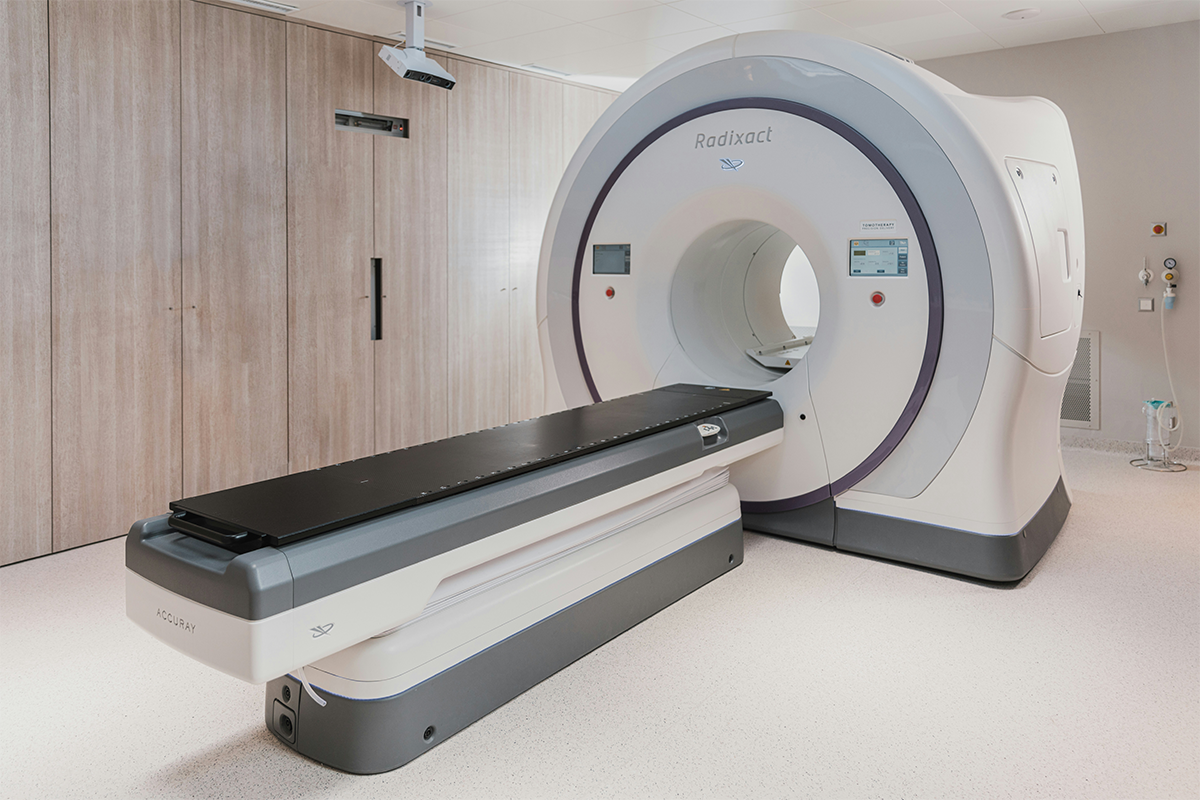
Medical devices components demand extreme precision and reliability. From surgical instruments and diagnostic equipment to implantable devices, every component must meet strict dimensional and surface quality standards. CNC machining provides micrometer-level precision, enabling complex shapes and high accuracy, offering medical device manufacturers reliable parts solutions that enhance device performance and longevity.
1. What is Medical CNC Machining and Its Applications
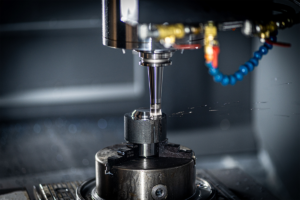
Medical CNC machining uses high-precision CNC machines to produce medical components with micrometer-level tolerances. It is commonly applied in turning of components for surgical instruments, dental tools, diagnostic devices, and implants. CNC machining enables complex structures and high accuracy, meeting stringent medical standards.
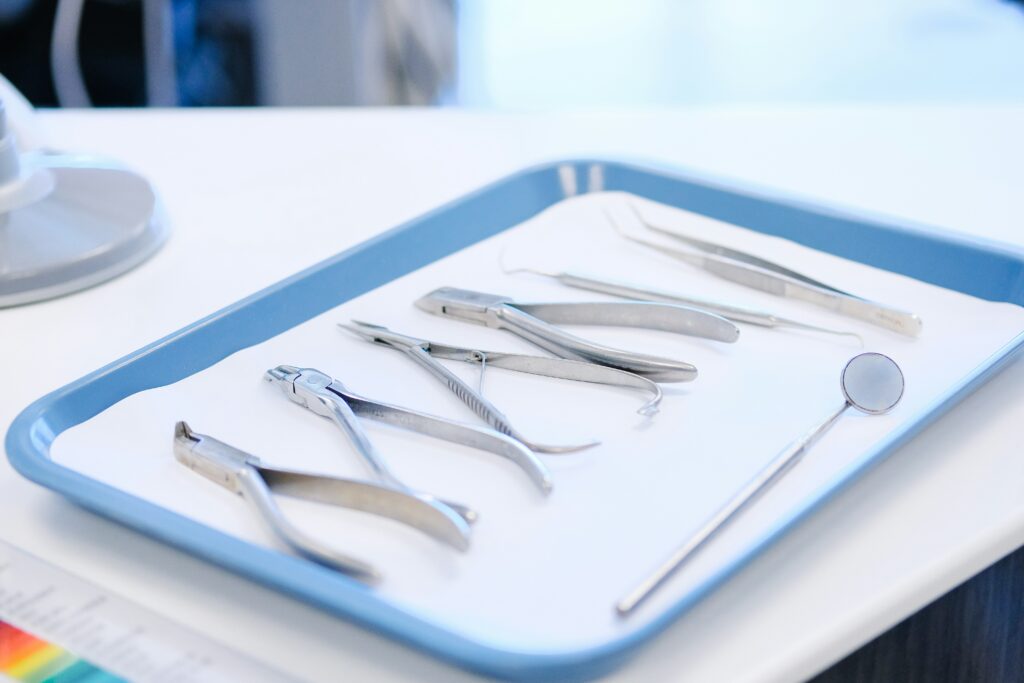
2. Challenges and Solutions in Medical Component Machining
Medical component machining faces challenges of high precision and surface finish, often with hard metals prone to dimensional deviations or deformation. For complex medical components, our mechanical engineers optimize and simplify designs based on actual requirements, reducing manufacturing costs while maintaining performance. Optimized tool paths, multi-axis machining, strict process controls, and quality inspections effectively resolve these issues, ensuring stable and reliable component performance.
3. Common Materials and Their Applications in Medical CNC Machining
Different materials play a critical role in ensuring the safety and durability of medical devices. Commonly used materials include:
Stainless steel: Offers excellent corrosion resistance and strength, ideal for surgical instruments, dental tools, and catheters that require prolonged contact with the body or fluids.
Titanium alloy: Biocompatible, lightweight, and durable, suitable for implantable devices, orthopedic instruments, and dental implants.
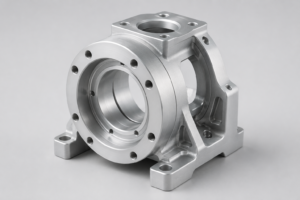
Aluminum alloy: Lightweight and easy to machine, often used for medical device housings, auxiliary components, and diagnostic device frames, though less corrosion-resistant.
High-performance plastics: Good electrical insulation and chemical stability, suitable for electronic medical devices, disposable consumables, and protective components, but limited in strength and not suitable for high-load parts.
Yiling CNC’s Quality Control and Advantages
Yiling CNC ensures that every medical component meets medical-grade standards through full-process quality management. With 15 years of CNC machining experience and a mechanical engineering team with 12 years of experience, we optimize and simplify designs for complex parts, reducing manufacturing costs. Each component undergoes precision measurement at our quality inspection center before machining, and we conduct production feedback three times per week to maintain process consistency. Any non-conforming parts are strictly discarded, ensuring reliability and safety of the final products. These advantages allow Yiling CNC to consistently deliver high-precision, reliable medical components, providing manufacturers with secure and trustworthy parts.