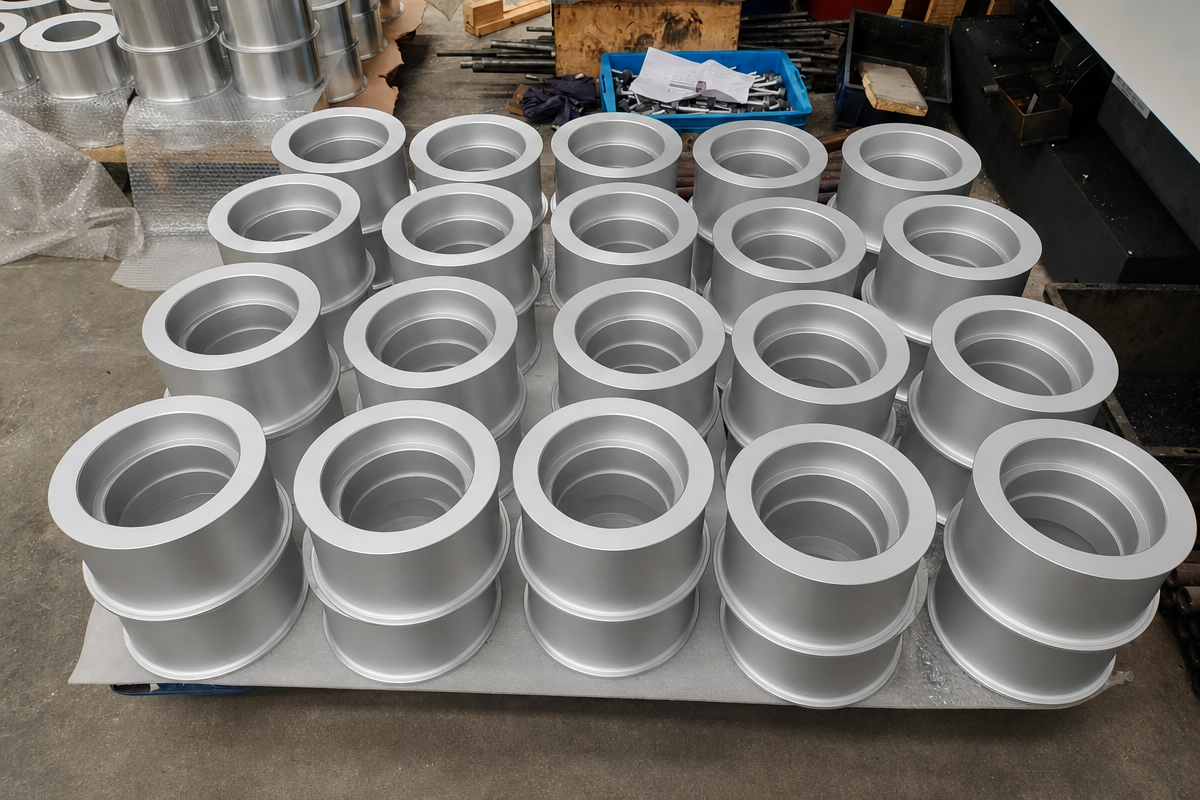
A Complete Guide to Anodized Aluminum Parts
Aluminum is one of the most widely used materials in CNC machining because of its excellent strength-to-weight ratio, corrosion resistance, and machinability. However, untreated aluminum surfaces can still be scratched, worn, or corroded in demanding environments. This is why anodizing has become one of the most popular surface finishing processes for CNC-machined aluminum components.
Whether you are designing aerospace components, automation equipment, medical devices, or consumer electronics, **anodized aluminum parts** offer improved durability, appearance, and long-term reliability. In this guide, we’ll explain what anodizing is, how it works, why it is important, and where it is commonly used.
What Is Anodizing?
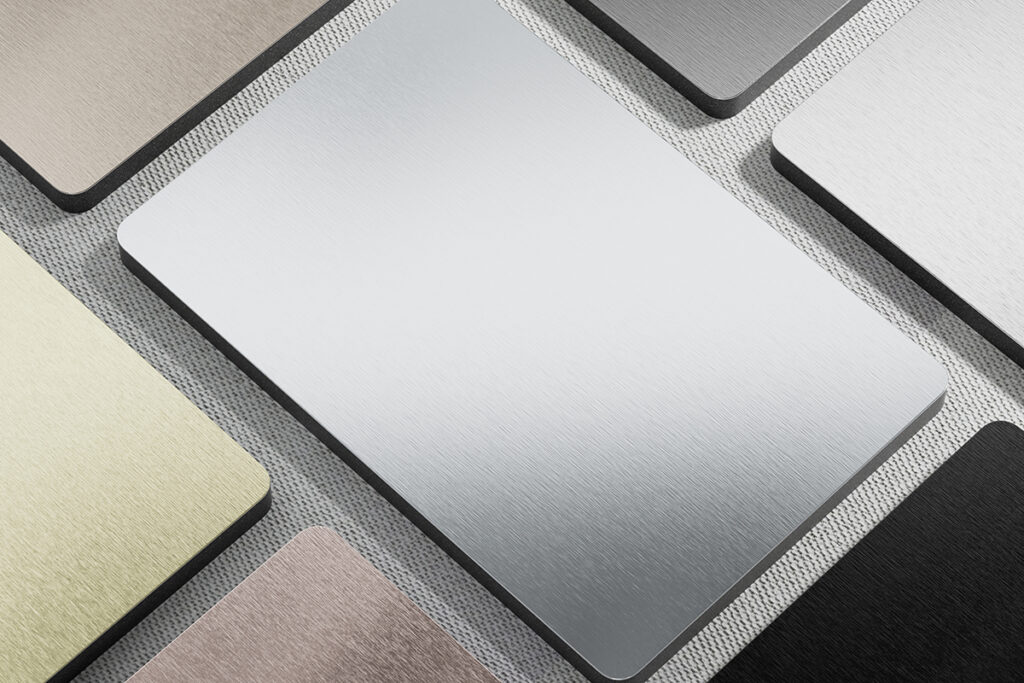
Anodizing is an electrochemical surface treatment that converts the outer layer of aluminum into a hard, durable, and corrosion-resistant oxide coating. Unlike painting or plating, the oxide layer becomes part of the base material rather than sitting on top of it, making it highly resistant to peeling or flaking.
The term anode refers to the positive electrode in an electrolytic cell. During the anodizing process, the aluminum workpiece is connected to the positive terminal of a power supply, making it the anode. Oxygen ions released during electrolysis react with the aluminum surface to form a dense layer of aluminum oxide.
Because the oxide layer is created from the aluminum itself, anodized surfaces exhibit excellent adhesion, wear resistance, and dimensional stability.
As a result, Anodized metal, especially aluminum, has become the preferred choice for industries requiring both high performance and attractive appearance.
How Does Anodizing Work?
The anodizing process is based on electrochemical oxidation.
First, the aluminum part is immersed in an electrolyte solution, most commonly sulfuric acid. A direct electrical current is then applied between the aluminum workpiece (anode) and a cathode placed inside the solution.
During electrolysis:
* Oxygen ions migrate toward the aluminum surface.
铝原子与氧原子结合。
* A controlled aluminum oxide layer grows both inward and outward from the surface.
Unlike natural oxidation, which produces only a thin protective film, anodizing creates a much thicker and more uniform oxide layer.
The thickness can typically range from:
* 5–10 μm for decorative applications
* 15–25 μm for general industrial parts
* 25–100 μm for hard anodizing in high-wear environments
Because the oxide contains microscopic pores, it can also absorb dyes before sealing, allowing manufacturers to produce black, blue, red, gold, silver, and many other colors.
Why Is Aluminum Anodized?
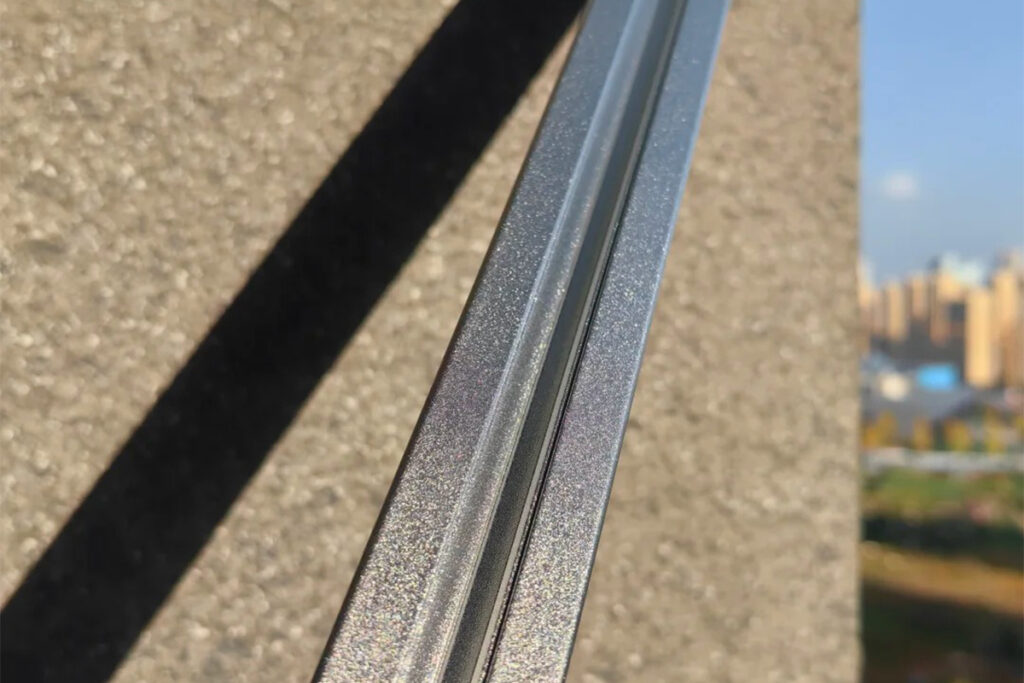
Although aluminum naturally forms a thin oxide film, this natural layer provides only limited protection.
Anodizing significantly enhances the material’s performance by creating a thicker and much harder oxide layer.
The primary reasons manufacturers choose anodized aluminum parts include:
- Improved Corrosion Resistance
The oxide layer acts as a protective barrier against moisture, chemicals, salt spray, and outdoor environments.
- Increased Surface Hardness
Hard anodized coatings can reach hardness levels approaching hardened steel, dramatically improving wear resistance.
- Better Appearance
Anodized finishes provide a uniform metallic appearance and support a wide range of colors while maintaining the natural texture of aluminum.
- Excellent Adhesion
Because the coating is generated from the aluminum itself, it will not peel or chip like paint.
- Improved Electrical Insulation
Aluminum oxide is an electrical insulator, making anodized components suitable for many electronic applications.
- Lower Maintenance Costs
The durable surface requires less maintenance and extends product service life.
How Is Aluminum Anodized?
Producing high-quality anodized aluminum parts requires strict process control. The typical procedure includes the following steps.
- Step 1: Cleaning
Oil, grease, machining coolant, and contaminants are removed to prepare a clean surface.
- Step 2: Etching
A mild alkaline solution removes minor surface defects and creates a consistent finish.
- Step 3: Desmutting
Residual alloying elements and oxide residues are eliminated using an acid solution.
- Step 4: Anodizing
The aluminum part is submerged in an electrolyte and connected as the anode while electrical current forms the oxide coating.
- Step 5: Coloring (Optional)
The porous oxide layer can absorb organic or inorganic dyes to achieve decorative finishes.
- Step 6: Sealing
Hot water or nickel acetate sealing closes the microscopic pores, improving corrosion resistance and color retention.
- Step 7: Inspection
Coating thickness, color consistency, hardness, and surface quality are inspected before shipment.
What Properties Does Anodizing Provide?
Compared with untreated aluminum, Anodized metal offers numerous performance improvements.
- Superior Corrosion Resistance
The oxide layer protects aluminum from oxidation, moisture, and many industrial chemicals.
- Excellent Wear Resistance
Hard anodized coatings greatly reduce abrasion and friction, making them ideal for moving mechanical components.
- Enhanced Surface Hardness
The surface becomes much harder than raw aluminum, helping prevent scratches and dents.
- Improved Fatigue Performance
Unlike many coating processes, anodizing has minimal impact on the fatigue strength of properly designed aluminum components.
- Attractive Decorative Finish
Anodizing produces a premium metallic appearance available in many colors without hiding the machined texture.
- UV and Weather Resistance
Unlike painted surfaces, anodized coatings do not easily fade under prolonged sunlight exposure.
- Strong Adhesion
Since the oxide layer is integrated into the aluminum substrate, it cannot separate from the base material under normal use.
Which Industries Use Anodized Aluminum Parts?
Because of their combination of durability, lightweight construction, and attractive appearance, anodized aluminum parts are widely used across many industries.
- Aerospace
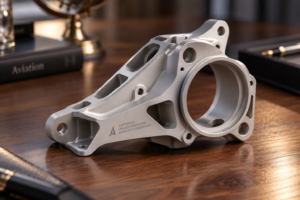
Aircraft brackets, structural components, housings, and lightweight precision parts benefit from excellent corrosion resistance.
- Medical Devices
Medical equipment requires clean, corrosion-resistant surfaces with long-term durability.
- Industrial Automation
Robotic arms, machine frames, sensor mounts, and automation fixtures often use anodized aluminum for wear resistance.
- Electronics
Heat sinks, enclosures, camera housings, and semiconductor equipment frequently rely on anodized finishes.
- Automotive
Engine components, brackets, suspension parts, and decorative trim use anodizing for improved durability.
- Consumer Electronics
Laptop housings, smartphone frames, audio equipment, and wearable devices often feature anodized aluminum for both appearance and protection.
- Renewable Energy
Solar panel mounting systems and energy storage equipment require corrosion-resistant aluminum components capable of withstanding outdoor environments.
—
Complete Anodizing Process Flow
A standard industrial anodizing production line generally follows this sequence:
2. Surface cleaning
3. Degreasing
4. Rinsing
5. Alkaline etching
6. Rinsing
7. Desmutting
8. Rinsing
9. Anodizing
10. Rinsing
11. Coloring (optional)
12. Sealing
13. Drying
14. Quality inspection
15. Packaging
Each stage directly affects coating thickness, color consistency, and overall product quality, making process control essential.
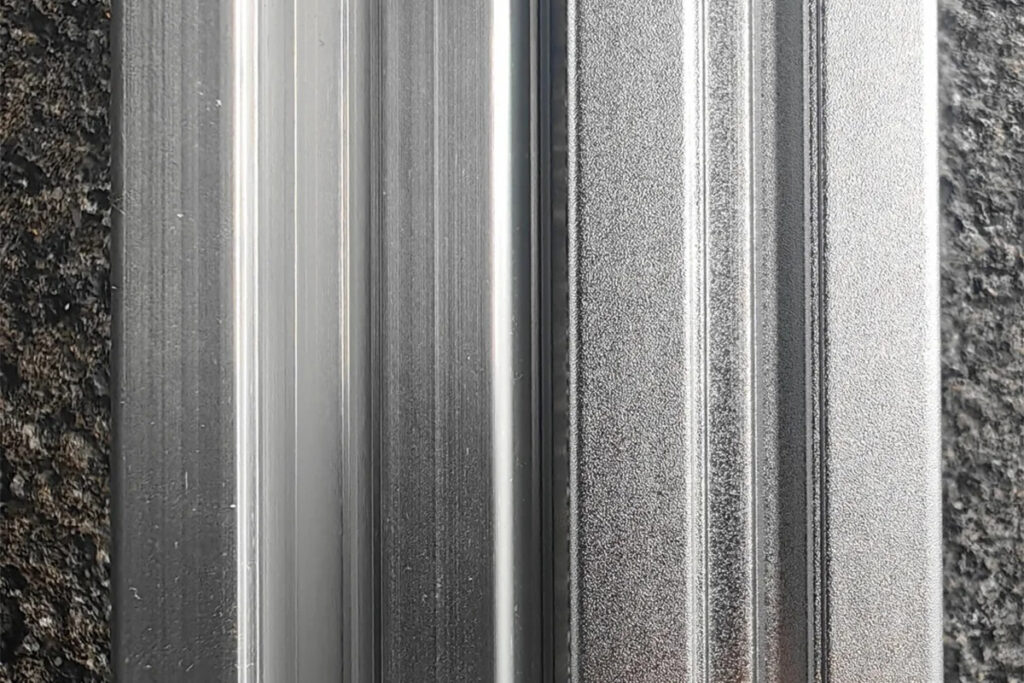
Anodizing vs. Other Surface Treatments
| Surface Treatment | Corrosion Resistance | Wear Resistance | Appearance | Adhesion | Typical Material |
| Anodizing | Excellen | Excellent | Excellent | Permanent oxide layer | Aluminum |
| Powder Coating | Excellent | Good | Excellent | Surface coating | Most metals |
| Painting | Moderate | Moderate | Excellent | May peel over time | Most metals |
| Electroplating | Good | Good | Bright metallic finish | Coating may wear | Steel, brass, copper |
| Sandblasting | Minimal | Minimal | Matte texture | No protective coating | Most metals |
For aluminum components requiring long service life, anodizing is often the preferred solution because it combines excellent protection with attractive aesthetics while maintaining precise dimensions.
Conclusion of anodized
Anodizing is far more than a cosmetic finish—it is an advanced electrochemical process that significantly improves the durability, corrosion resistance, hardness, and appearance of aluminum components. Because the oxide layer becomes part of the metal itself, **anodized aluminum parts** deliver superior long-term performance compared with many conventional coatings.
From aerospace and medical equipment to industrial automation and consumer electronics, **Anodized metal** continues to play an essential role in modern manufacturing. By combining precision CNC machining with a well-controlled anodizing process, manufacturers can produce components that meet demanding performance requirements while maintaining an attractive, professional finish.
At YILING CNC, we provide precision CNC machining services together with high-quality anodizing and other surface finishing options. Whether you need prototypes or high-volume production, our engineering team can help you manufacture durable, high-performance anodized aluminum parts tailored to your application.