Material selection is a critical decision in CNC machining. Engineers often compare strength, hardness, corrosion resistance, weight, and cost, but ductility also deserves attention because it affects both part performance and cutting behavior.
Ductility can influence chip formation, burrs, built-up edge, cutting forces, tool wear, surface finish, and dimensional stability. Understanding it helps engineers select materials that perform reliably without creating avoidable manufacturing problems.
1. What Is Ductility?
Ductility is the ability of a material to undergo plastic deformation before it fractures. In simple terms, it describes how much a material can stretch, bend, or permanently change shape without breaking.
A material first deforms elastically under load. After the stress exceeds its yield strength, permanent plastic deformation begins. A ductile material can continue deforming significantly before fracture, often showing elongation or necking. Aluminum, low-carbon steel, stainless steel, copper, brass, and some titanium alloys all display useful levels of ductility.
What Does Ductile Mean?
Ductile describes a material that can undergo substantial plastic deformation before breaking. Ductility is the property; ductile is the adjective used to describe a material that has that property. Copper is a classic example because it can be drawn into thin wire without fracturing.
Ductile behavior is different from brittle behavior. Brittle materials generally fail with little plastic deformation. In CNC machining, however, ductile does not mean easy to machine. A highly ductile alloy may deform extensively before a chip separates, producing long chips, burrs, tool adhesion, built-up edge, or surface smearing.
2. Is Ductility a Physical Property or a Chemical Property?

Ductility is a physical mechanical property rather than a chemical property. Chemical properties describe how a material reacts chemically, while ductility describes how it responds mechanically to stress.
It is related to properties such as yield strength, tensile strength, hardness, toughness, and fatigue resistance. Chemical composition still matters because carbon content, alloying elements, heat treatment, cold work, and microstructure can all change a material’s ductility.
3. Why Should Engineers Consider Ductility When Selecting CNC Machining Materials?
For CNC parts, ductility affects two questions: how the raw material behaves during cutting and how the finished component behaves under load. Highly ductile materials can resist cracking and tolerate overload, yet may create continuous chips, large burrs, or thin-wall deflection. Lower-ductility materials may break chips more easily but can be more sensitive to chipping or cracking.
The best choice is therefore not the material with the highest ductility. It is the material that balances mechanical performance, machinability, tolerance capability, and cost for the specific part.
4. How Can Ductility Be Understood from a Stress-Strain Curve?
A tensile stress-strain curve provides a useful picture of ductility. In the elastic region, deformation is reversible. After the yield point, plastic deformation begins. A ductile material then continues to elongate, reaches its ultimate tensile strength, and eventually develops localized necking before fracture.
The amount of strain between yielding and fracture indicates how much plastic deformation the material can tolerate. This matters in machining because chip formation is also a local deformation and shearing process.
5. How Is Ductility Measured?
Ductility is usually evaluated through a tensile test. Two common values are percentage elongation and percentage reduction in area. Elongation compares the original and final gauge lengths, while reduction in area compares the original cross section with the minimum area at the fracture.
These values should be compared under equivalent test conditions. Heat treatment, temper, product form, temperature, and prior cold work can significantly change the measured result.
6. Ductility vs. Strength, Toughness, and Brittleness
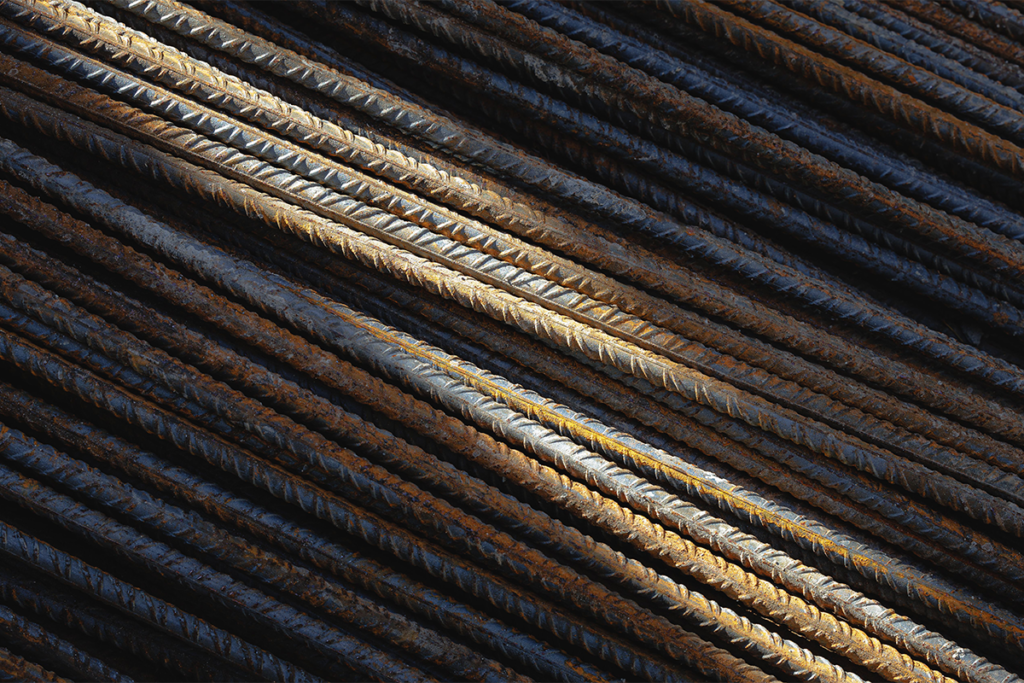
Strength describes how much stress a material can withstand. Toughness describes how much energy it can absorb before fracture. Ductility describes how much plastic deformation occurs before fracture, while brittleness describes failure with very little plastic deformation.
These properties do not always increase together. A strong material can have limited ductility, while a highly ductile material may have only moderate strength. Engineers should evaluate them together rather than treating one property as a substitute for overall performance.
7. Why Is Ductility Important in CNC Machining?
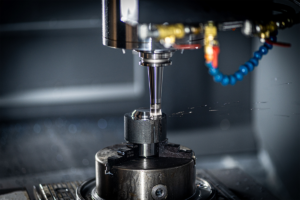
In milling, turning, drilling, and boring, the cutting edge compresses and shears material in a small zone. Before a chip separates, the material experiences high strain, friction, and heat. Ductility influences how much it deforms before that separation occurs.
More ductile alloys often form continuous chips, while less ductile materials are more likely to form segmented or short chips. This affects chip control, cutting stability, tool load, and the quality of the machined edge.
8. How Does Ductility Affect CNC Cutting Performance?
Chip Formation
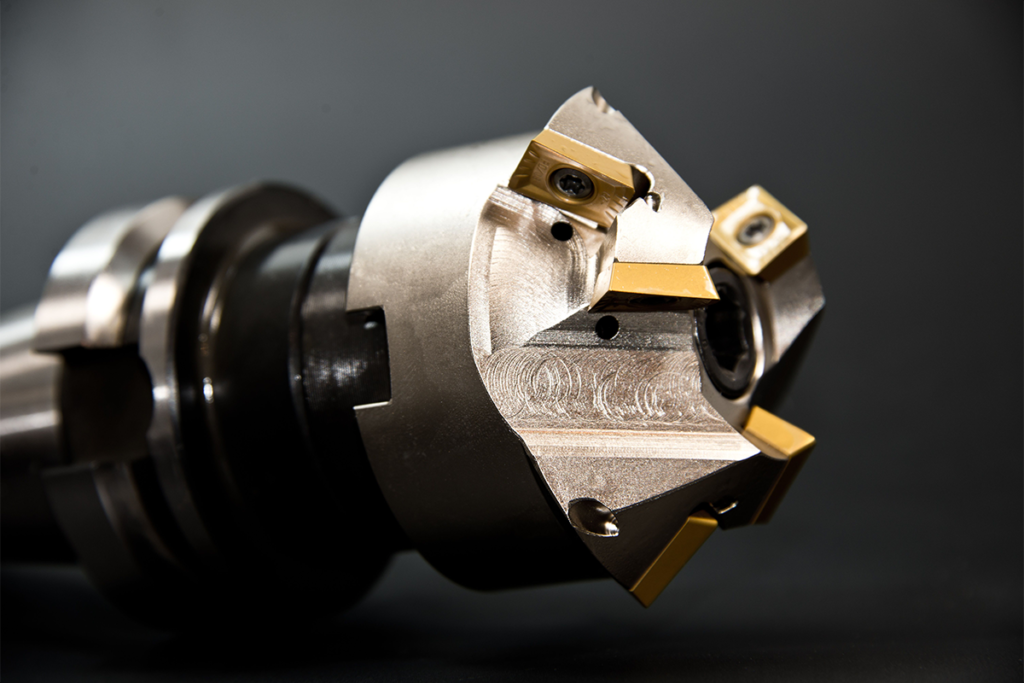
Highly ductile metals often produce long, continuous chips that may wrap around the tool or workpiece. Suitable feeds, chip-breaker geometry, and effective coolant delivery help keep chips manageable.
Cutting Forces and Heat
Extensive plastic deformation can increase the energy used in the cutting zone. Depending on the alloy and cutting conditions, this may increase cutting forces and heat, particularly when machining thin or flexible features.
Built-Up Edge and Tool Adhesion
Some ductile materials adhere to the cutting edge. The resulting built-up edge changes the effective tool geometry and can reduce surface quality and dimensional consistency.
Burr Formation
At unsupported edges, ductile material may bend and flow instead of separating cleanly. Burrs are therefore common around hole exits, slots, shoulders, and intersecting features.
9. Common CNC Machining Problems with Highly Ductile Materials
High ductility can lead to long chips, built-up edge, large burrs, tool adhesion, and deformation of thin features. Some ductile alloys, especially austenitic stainless steels, can also work harden if the tool rubs instead of cutting effectively.
Good chip control, sharp tools, stable engagement, suitable feeds, and effective cooling are often essential when machining these materials.
10. Common CNC Machining Problems with Low-Ductility Materials
Materials with low ductility tend to fracture rather than flow. This can improve chip breakage but may increase the risk of edge chipping, cracking, or local brittle failure. Thin sections, sharp internal corners, interrupted cuts, and aggressive clamping can make these problems worse.
Stable workholding, controlled cutting forces, sharp tools, and appropriate corner radii help reduce the risk of damage.
11. Ductility of Common CNC Machining Materials
Aluminum Alloys
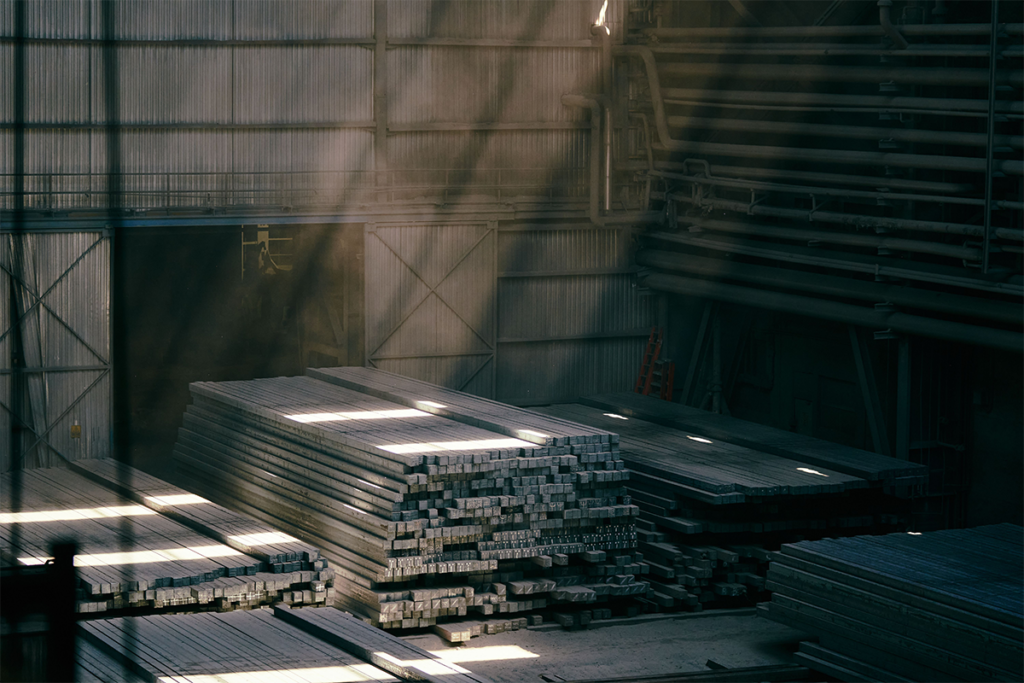
Many aluminum alloys combine useful ductility with low density and good machinability. Softer grades, however, may produce built-up edge, stringy chips, or burrs. Temper can noticeably change machining behavior.
Carbon Steel
Low-carbon steels are generally more ductile than higher-carbon steels. As carbon content and hardness rise, ductility commonly decreases. Heat treatment and free-machining additions can also change chip formation and tool life.
Stainless Steel
Austenitic stainless steels such as 304 and 316 are relatively ductile and tough but can work harden and generate significant cutting heat. Sharp tools, sufficient feed, positive geometry, and coolant are important.
Titanium Alloys
Titanium alloys combine high specific strength with useful toughness. Their machining difficulty is also strongly affected by low thermal conductivity and heat concentration near the cutting edge, so tool engagement and thermal control are critical.
Copper and Brass
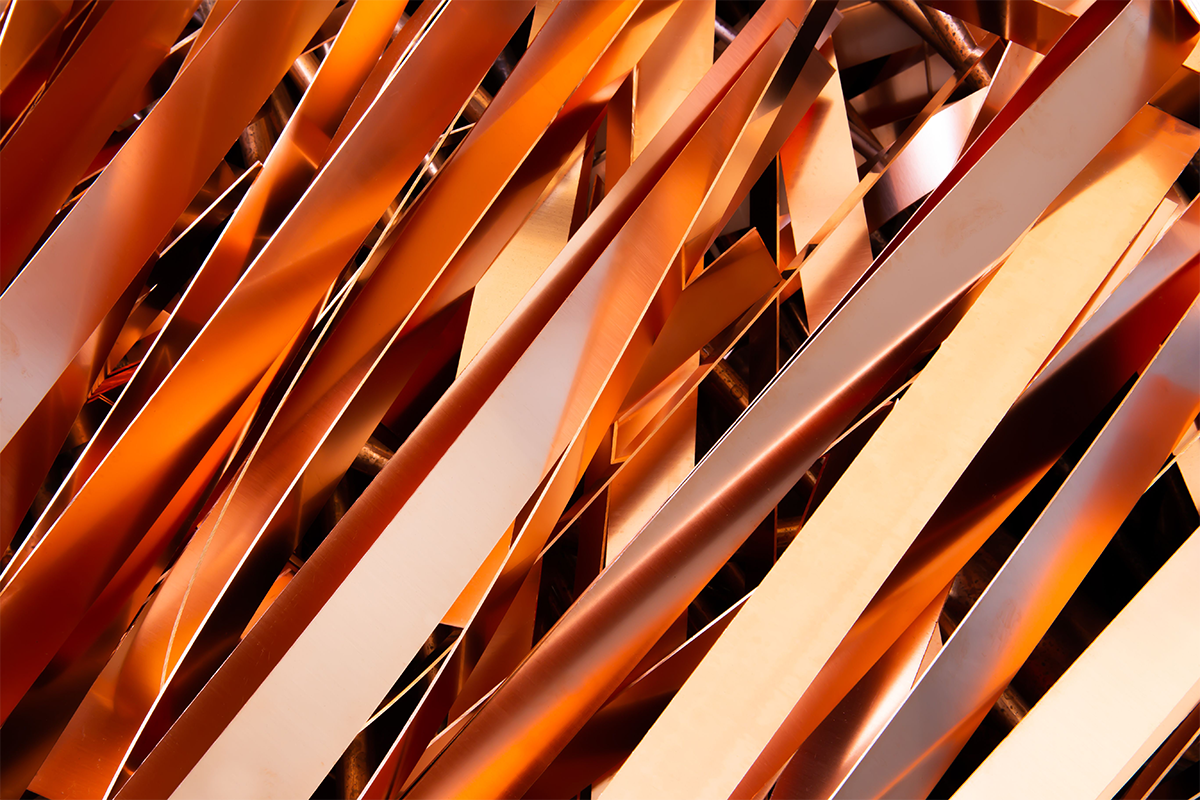
Pure copper is very ductile and can be difficult to machine cleanly because of smearing, chip control, and tool adhesion. Many brass grades produce shorter chips and machine more easily, showing that ductility alone does not determine machinability.
Engineering Plastics
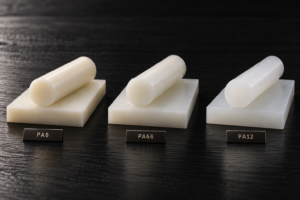
Engineering plastics vary widely in ductility and stiffness. Some deform under clamping or cutting forces, while others are more prone to cracking. Thermal expansion and low stiffness can make dimensional control especially important.
12. How Should CNC Machining Be Optimized for Materials with Different Ductility?
Tool geometry and cutting parameters should match the way the material forms chips. Sharp cutting edges and positive rake angles can reduce deformation and cutting force in many ductile metals. Chip breakers can improve control of continuous chips, while sufficient feed helps the tool cut instead of rub.
Coolant can reduce friction, remove heat, limit built-up edge, and improve chip evacuation. For work-hardening materials, repeated very light passes may be less effective than a stable cut that stays below the hardened surface layer.
13. How Does Ductility Affect CNC Machining Accuracy?
Ductility can affect accuracy through material movement. Thin features may deflect while the tool is engaged and spring back after it passes, producing wall taper or dimensional variation. Residual stress can also cause plates, frames, or thin-walled components to distort after material is removed.
Balanced roughing, suitable fixturing, stress-relieved stock, and leaving finishing allowance can improve dimensional stability.
14. Ductility in Thin-Wall and Complex CNC Parts
Thin-wall parts amplify the effects of cutting force because their stiffness is low. Even a strong material can move if the wall is thin or has a high aspect ratio. The result may be chatter, local bending, dimensional error, or poor surface finish.
Designers should consider wall thickness, rib placement, corner radii, unsupported length, tool access, and clamping locations. Staged roughing and low-force finishing strategies can further reduce deformation.
15. How Does Ductility Affect Surface Finish and Burrs?
Highly ductile material may smear or adhere when the cutting edge rubs rather than shears cleanly. Built-up edge can also detach and leave irregular marks on the finished surface.
Burrs are especially likely at unsupported exits and intersecting features. Tool sharpness, feed, cutting direction, edge support, and exit strategy all influence burr size. Drawings should clearly define edge-breaking or deburring requirements when edge quality is critical.
16. How Should Ductility Be Considered During CNC Part Design?
Ductility should be considered for both structural performance and manufacturability. Sharp internal corners create stress concentrations and often require smaller, less rigid tools. Appropriate fillets can reduce local stress and improve machining access.
Very thin walls, deep pockets, and long unsupported features may be difficult to hold within tolerance even when the material is mechanically suitable. Material and geometry should therefore be reviewed together before a design is finalized.
17. How Can You Select a CNC Material Based on Ductility?
The required ductility depends on the part function, expected failure mode, environment, and geometry. Components exposed to impact or overload may benefit from greater capacity for plastic deformation, while precision thin-wall parts may place more emphasis on stiffness and dimensional stability.
When comparing candidate materials, review ductility together with:
- Yield and tensile strength
- Hardness and wear resistance
- Toughness and fatigue resistance
- Elastic modulus and stiffness
- Corrosion and temperature resistance
- Thermal properties
- Machinability and expected tool life
- Material availability and cost
18. Does Higher Ductility Mean Better CNC Machinability?
No. Ductility and machinability are related but different. High ductility may improve resistance to cracking, yet the material may still produce long chips, burrs, built-up edge, high cutting forces, or an unstable surface finish.
Machinability also depends on hardness, microstructure, thermal conductivity, work-hardening tendency, tool material, cutting geometry, coolant, and machine rigidity. A softer or more ductile metal is not automatically easier to machine.
19. How Do You Balance Ductility, Strength, and Machinability in a CNC Project?
The best CNC material is the one that meets the mechanical requirements of the finished component while allowing the required geometry, tolerance, surface finish, and production cost to be achieved consistently.
A practical review can begin with three questions:
- What loads, impacts, temperatures, and environmental conditions will the component experience?
- How will the material behave during milling, turning, drilling, threading, and deburring?
- Can the required tolerances, thin features, surface finish, and production volume be achieved reliably?
If a material has excellent ductility but creates serious chip-control or burr problems, a different alloy or temper may provide a better balance. Early communication between the design engineer and CNC manufacturer can prevent costly changes after production has started.
Conclusion
Ductility describes how much plastic deformation a material can undergo before fracture. In CNC machining, it affects much more than final part strength: it can influence chip formation, burrs, built-up edge, cutting forces, work hardening, surface quality, thin-wall deformation, and dimensional stability.
High ductility is not automatically good or bad for machining, and low ductility is not automatically easier to process. The practical goal is to balance ductility with strength, stiffness, toughness, machinability, cost, and the real operating requirements of the part. When these factors are considered early, CNC components are easier to manufacture and more reliable in service.