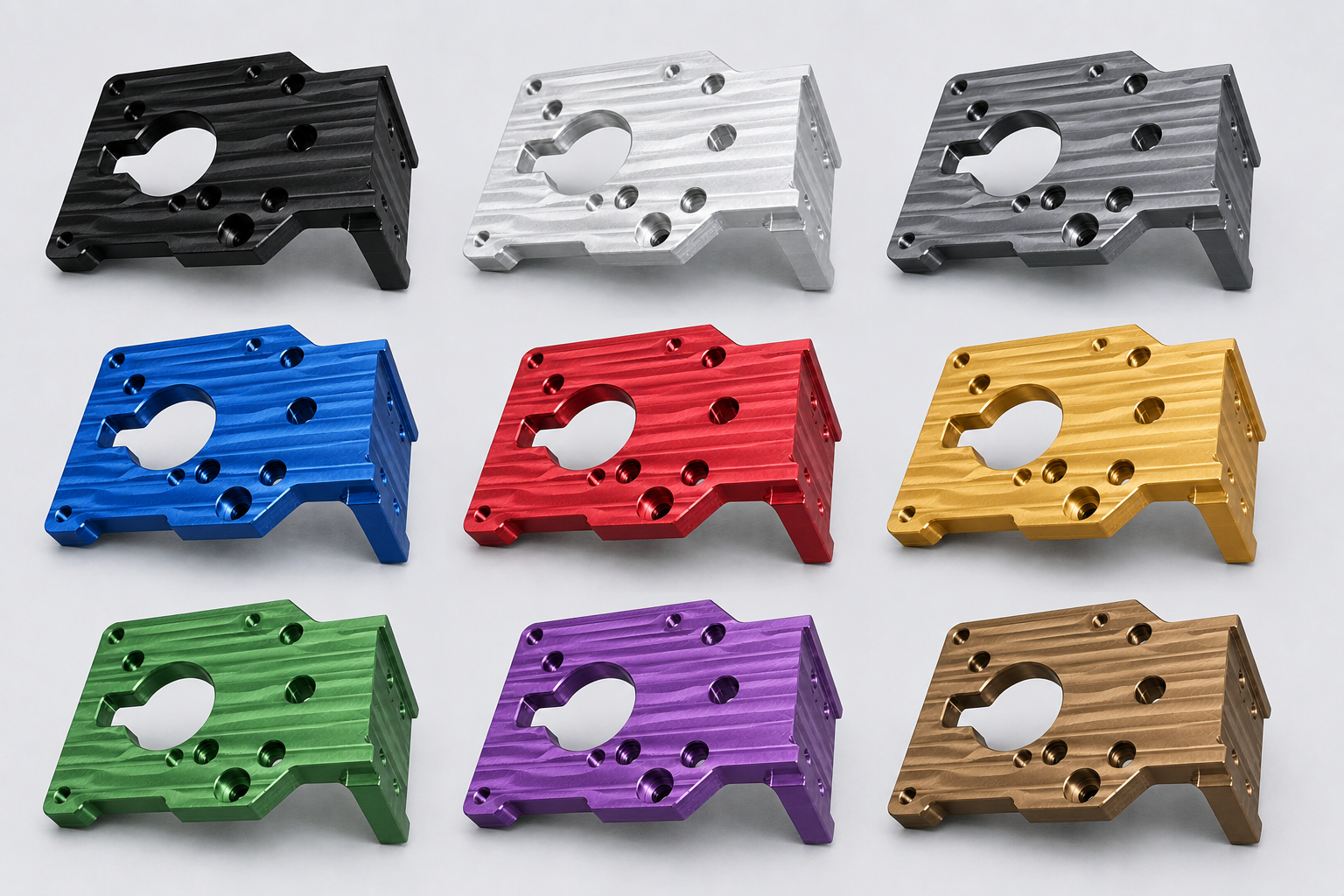
Anodized aluminum is widely used for CNC machined parts because it combines corrosion resistance, surface durability, and an attractive appearance. From black electronic housings to clear anodized brackets and colorful consumer products, anodizing gives engineers and buyers many options for finishing aluminum components.
However, choosing an anodized aluminum color is not simply a matter of selecting a color from a chart. The aluminum alloy, surface preparation, anodizing type, coating thickness, production batch, and even part geometry can influence the final appearance.
For purchasing teams and engineers, understanding these factors can help reduce color mismatch, unexpected costs, and quality disputes. This guide explains the most common anodized aluminum colors, how they are produced, why color variation occurs, and what information should be included when requesting a quotation.
1. What Colors Can Anodized Aluminum Be?
One reason anodizing is popular is the wide range of colors available.
- Black
- Clear or natural
- Gray
- Gold
- Blue
- Red
- Green
- Bronze
- Purple
Custom colors may also be possible depending on the anodizing supplier, dye system, aluminum alloy, and order quantity.
Among these options, black anodized aluminum and clear anodized aluminum are especially common in CNC machining projects. They are widely available, relatively easy to control, and suitable for both industrial and cosmetic components.
Bright colors such as red, blue, gold, and purple can also be produced, but they may show more noticeable variation between different materials or production batches.
For projects where several visible parts must match each other, color consistency should be discussed before production begins.
2. How Are Anodized Aluminum Colors Produced?
Anodizing is an electrochemical surface treatment that creates a controlled aluminum oxide layer on the surface of a part.
During the process, the aluminum component is placed in an electrolytic bath and connected to an electrical current. This creates a porous oxide layer.
For colored Type II anodizing, the basic process usually involves three steps.
First, the aluminum surface is anodized to create microscopic pores.
Second, dye is absorbed into these pores.
Finally, the surface is sealed so that the color remains inside the oxide layer.
This is different from painting or powder coating. Anodized color is incorporated into the oxide structure rather than simply sitting on top of the aluminum surface.
Because the base material remains visible through the anodized layer to some degree, the original alloy and surface texture can strongly influence the final appearance.
3. Type II vs. Type III Anodizing Colors
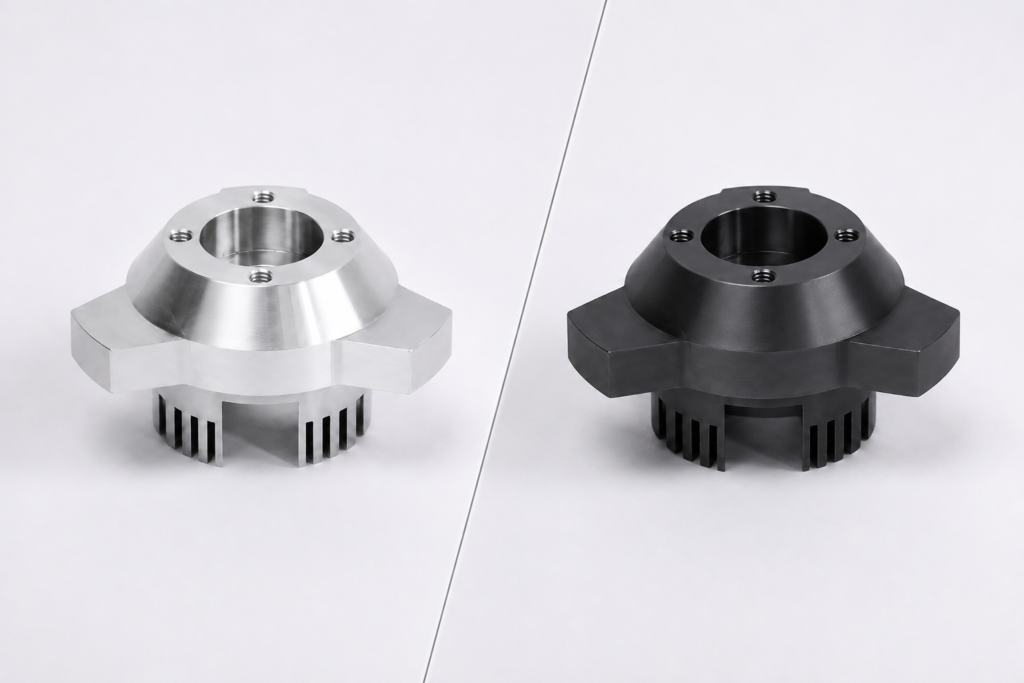
Engineers should select the anodizing type based on the functional requirements of the part rather than color alone.
Type II Anodizing
Type II sulfuric acid anodizing is commonly used when both appearance and corrosion protection are important.
It offers many color options, including:
- Black
- Clear
- Red
- Blue
- Gold
- Green
- Purple
Type II is widely used for electronic housings, consumer products, brackets, knobs, panels, and other visible CNC machined parts.
Type III Hard Anodizing
Type III, also called hard anodizing or hardcoat anodizing, produces a thicker and harder oxide layer.
Its primary purpose is wear resistance rather than appearance.
Natural Type III coatings often appear gray, dark gray, bronze-gray, or nearly black depending on the aluminum alloy and coating thickness.
Although hard anodizing can sometimes be dyed, the darker natural oxide layer makes bright colors difficult to achieve consistently.
For this reason, engineers should normally choose Type II for cosmetic color requirements and Type III for parts where wear resistance is more important.
4. Why Is Black Anodized Aluminum So Common?
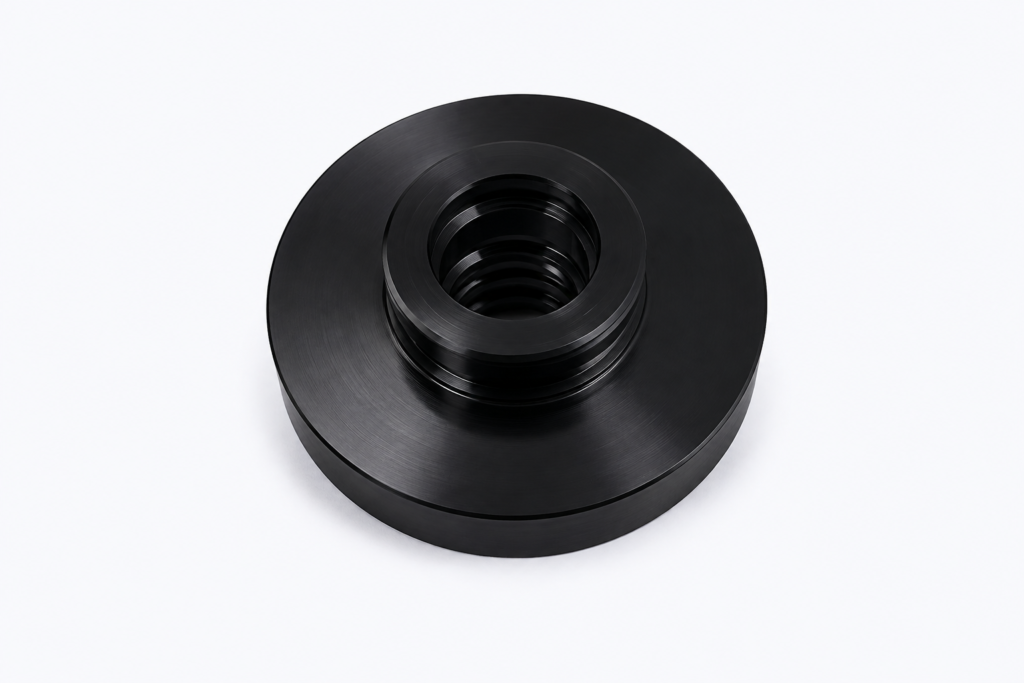
Black is one of the most popular anodized aluminum colors in CNC manufacturing.
There are several reasons.
First, black dye is relatively good at hiding small variations in the underlying aluminum surface.
Second, black anodizing is widely available from finishing suppliers, which makes sourcing easier.
Third, it works well with many industrial and commercial products, including:
- Electronic enclosures
- Optical equipment
- Automation components
- Camera parts
- Automotive components
- Robotics parts
However, not all black anodized parts look identical.
A bead-blasted black anodized part usually looks matte, while a polished surface may appear smoother and more reflective.
A CNC-machined surface may retain visible tool marks after anodizing.
Therefore, buyers should specify both the color and the required surface preparation.
Simply writing “black anodized” on a drawing may not be enough for a cosmetic part.
5. What Is Clear Anodized Aluminum?
Clear anodizing is sometimes called natural anodizing.
The term “clear” can be misleading because the finished part is not always completely colorless.
The anodized layer is transparent or semi-transparent, so the final appearance depends heavily on the aluminum alloy underneath.
For example, clear anodized 6061 aluminum often has a natural silver-gray appearance. Other alloys may appear slightly darker, warmer, or more yellow.
Surface preparation also affects the result.
A bead-blasted surface typically produces a soft matte appearance, while a machined or polished surface looks more metallic.
Clear anodizing is commonly used when manufacturers want to preserve the natural aluminum appearance while improving corrosion and surface protection.
6. Can Aluminum Be Anodized White?
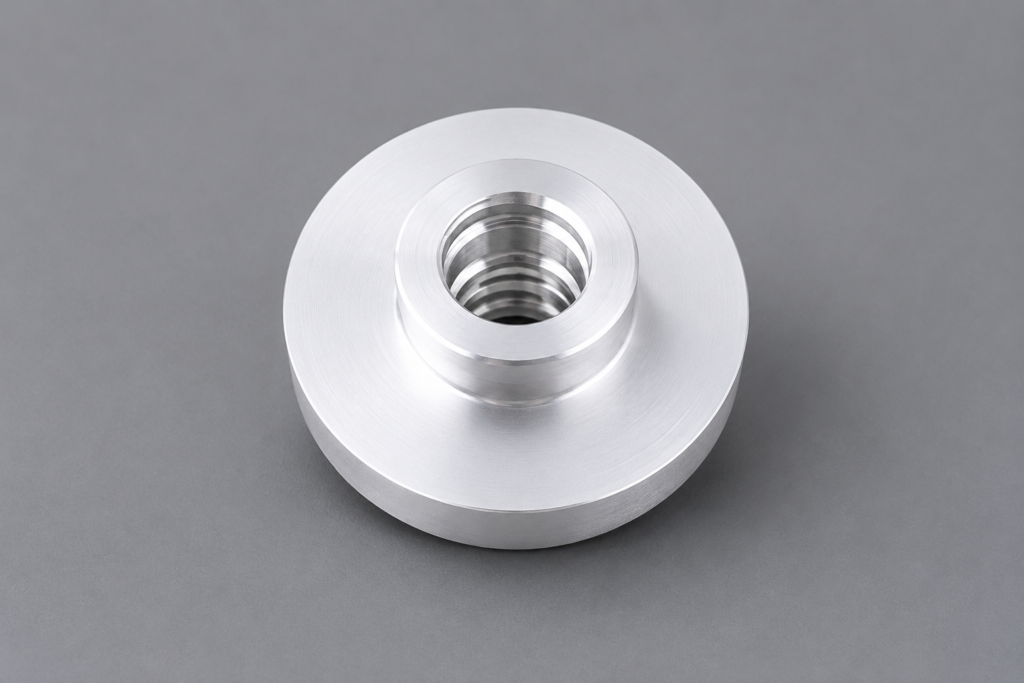
True bright white anodized aluminum is difficult to produce using conventional dye anodizing.
Unlike black or dark colors, white pigment is difficult to introduce into the microscopic pores created by normal anodizing processes while maintaining a clean, opaque white appearance.
As a result, when a product requires a strong white finish, other surface treatments may be more suitable.
These may include:
- Powder coating
- Wet painting
- E-coating
- Specialized ceramic-type coatings
If a drawing specifies “white anodized aluminum,” the engineer and supplier should confirm what appearance is actually required before production.
This can prevent confusion during quotation and inspection.
7. Why Does the Same Anodized Color Look Different?
One of the most important things buyers should understand is that anodized aluminum color can vary.
Several factors influence the result.
Aluminum Alloy
Different aluminum alloys contain different amounts of silicon, copper, zinc, magnesium, and other elements.
These differences affect how the surface reacts during anodizing.
Even when the same dye is used, 6061 and 7075 aluminum may not produce exactly the same color.
Surface Finish
The surface before anodizing strongly influences appearance.
Bead blasting creates a matte surface. Polishing creates a brighter surface. CNC machining may leave visible tool marks.
Because anodizing follows the existing surface texture, it does not normally hide machining defects.
Coating Thickness
A thicker oxide layer may absorb more dye and create a darker appearance.
This is one reason coating thickness should be controlled for projects with strict cosmetic requirements.
Process Conditions
Bath chemistry, dye concentration, temperature, anodizing time, sealing conditions, and other production parameters may affect color.
Production Batch
Parts anodized in different batches may show small color differences.
For assemblies with several visible components, producing and anodizing the parts together can help improve consistency.
8. Can Anodized Aluminum Match Pantone or RAL Colors?
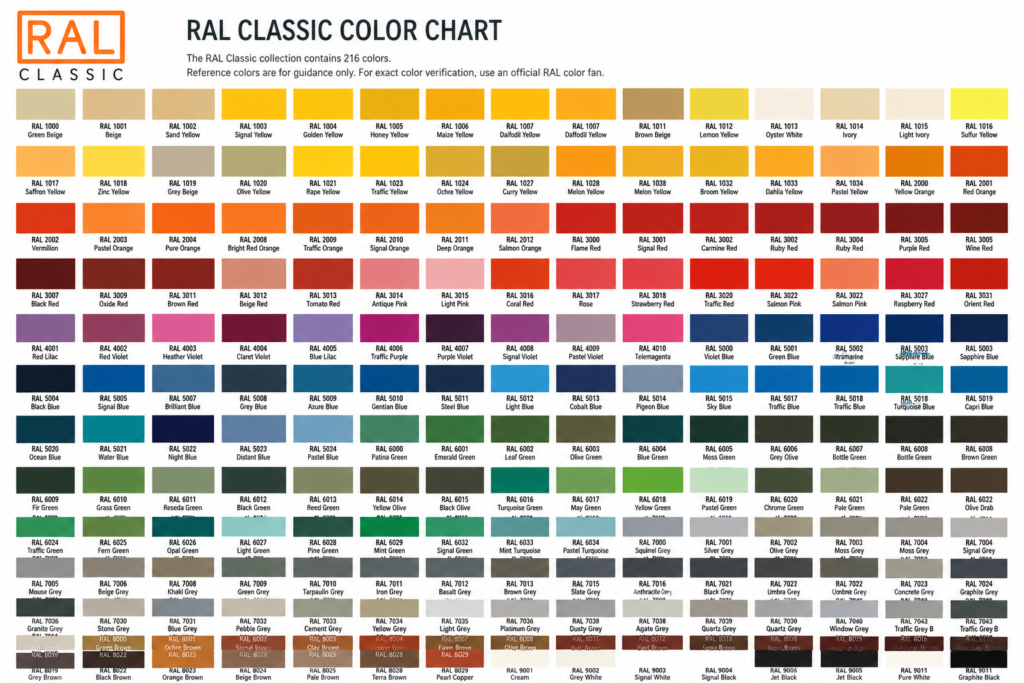
Pantone and RAL references are often used when buyers need a specific branded color.
However, anodizing is different from painting.
A Pantone or RAL number can be useful as a target, but it does not always guarantee an exact match because the aluminum alloy, surface finish, oxide thickness, and dye process all influence the result.
For cosmetic products, an approved physical sample is often more practical than relying only on a digital or printed color reference.
A typical color approval process may include:
1. Customer provides the required color reference.
2. Supplier prepares anodized samples.
3. Customer reviews and approves a master sample.
4. Production parts are compared with the approved sample.
For projects with strict color requirements, color difference may also be measured using a Delta E value.
9. Does Anodized Color Affect CNC Part Cost?
Yes.
Standard colors such as black and clear are usually easier and more economical because finishing suppliers process them frequently.
Custom colors may increase cost because they can require:
- Special dye preparation
- Small trial batches
- Color adjustment
- Sample approval
- Additional inspection
- Dedicated production batches
Order quantity can also affect anodizing cost.
Anodizing is normally processed in batches. For small quantities, setup and handling costs are distributed across fewer parts, increasing the cost per unit.
Color matching requirements can add further cost, especially when the customer requires very tight cosmetic tolerances.
Purchasing teams should therefore identify whether the color is purely decorative or whether exact color matching is a critical product requirement.
10. How Should Engineers Specify Anodizing on a Drawing?
A clear drawing specification helps prevent misunderstandings.
Instead of simply writing:
Black anodized
provide more complete information where necessary.
A useful anodizing specification may include:
- Aluminum alloy
- Anodizing type
- Required color
- Surface preparation
- Coating thickness
- Cosmetic surfaces
- Masking requirements
- Color reference
- Approved master sample
- Color tolerance
For example:
Material: Aluminum 6061-T6
Finish: Bead blast + Type II black anodizing
Cosmetic surface: External surfaces
Masking: M4 threads and grounding surface
The exact specification should depend on the function of the part.
11. What Should Buyers Include in an Anodizing RFQ?
When requesting a quote for anodized CNC parts, purchasing teams should provide as much relevant information as possible.
Ideally, an RFQ should include:
- 2D drawing
- 3D CAD model
- Aluminum alloy
- Order quantity
- Anodizing type
- Required color
- Surface finish
- Cosmetic requirements
- Masking areas
- Color sample or reference
- Required coating thickness
- Expected repeat quantity
Complete information helps the supplier evaluate both machining and finishing requirements before quoting.
It can also reduce later price changes caused by missing cosmetic or anodizing requirements.
12. How Should Anodized Aluminum Color Be Inspected?
Color inspection should be performed under controlled conditions whenever appearance is important.
Production parts can be compared with an approved master sample under consistent lighting.
Inspectors should also check for common appearance problems such as:
- Uneven color
- Stains
- Streaks
- Patchy areas
- Burn marks
- Excessive color variation
- Visible handling damage
For assemblies containing multiple visible anodized parts, the components should also be compared side by side.
For high-end cosmetic products, instrument-based color measurement may be used in addition to visual inspection.
13. Which Anodized Color Should You Choose?
There is no single best anodized aluminum color for every project.
For general industrial components, black or clear anodizing is usually the easiest option to source and control.
For decorative products, red, blue, gold, green, and other colors can create a distinctive appearance, but buyers should allow for reasonable color variation.
For parts exposed to heavy wear, Type III hard anodizing may be more appropriate than cosmetic Type II anodizing.
For multiple visible components that must match, use the same alloy, similar surface preparation, and preferably the same anodizing batch.
If exact color matching is important, prepare and approve samples before mass production.
14. Questions to Ask Your CNC or Anodizing Supplier
Before placing an order, buyers and engineers should confirm several points with the supplier:
1. Is the required color standard or custom?
2. Which anodizing type is recommended?
3. Which aluminum alloy provides the best result?
4. Can a color sample be produced before mass production?
5. Can matching parts be anodized in the same batch?
6. What level of batch-to-batch variation should be expected?
7. Does the anodizing thickness affect critical dimensions?
8. Which surfaces need masking?
9. Can the supplier work from a Pantone, RAL, or physical sample?
10. How will cosmetic quality be inspected?
These questions can reduce risk before production begins.
15. Frequently Asked Questions About Anodized Aluminum Colors
What are the most common anodized aluminum colors?
Black and clear are among the most common, followed by gray, blue, red, gold, green, bronze, and purple.
Which anodized color is easiest to keep consistent?
Black and other dark colors are generally easier to keep visually consistent than light or bright colors.
Is clear anodized aluminum the same as silver?
Not exactly. Clear anodizing allows the natural metallic appearance of the aluminum to remain visible, so the final shade depends on the alloy and surface finish.
Can aluminum be anodized white?
Conventional anodizing is not normally used to produce a bright opaque white finish. Powder coating or painting may be better options.
Can anodizing match a Pantone color?
Pantone can be used as a reference, but a physical approved sample is usually more reliable for production color matching.
Why do different anodizing batches have different colors?
Differences in material, surface condition, coating thickness, dye conditions, and processing parameters can create small batch-to-batch variations.
Do 6061 and 7075 aluminum anodize to the same color?
Not necessarily. Their different alloy compositions can result in different final shades even under similar anodizing conditions.
What colors are available for hard anodizing?
Natural hard anodizing commonly appears gray, dark gray, bronze-gray, or dark brown. Black hard anodizing is also widely used.
Does anodizing change part dimensions?
Yes. Anodizing creates an oxide layer on the part surface, so coating thickness should be considered for tight-tolerance features.
Does anodized aluminum color fade?
It can. UV exposure, chemical environments, dye quality, and sealing quality can influence long-term color stability.
Conclusion
Choosing an anodized aluminum color involves more than appearance. The aluminum alloy, anodizing type, surface preparation, coating thickness, production batch, and color tolerance can all affect the final result.
For standard CNC parts, black and clear anodizing are often the simplest choices. For custom cosmetic parts, color samples and clear acceptance standards become much more important.
The best way to avoid problems is to define the material, finish, color, cosmetic surfaces, masking requirements, and color expectations before production starts.When sourcing custom CNC machined aluminum parts, providing a complete drawing and anodizing specification allows the manufacturer to evaluate machining, finishing, cost, and color consistency before quotation.