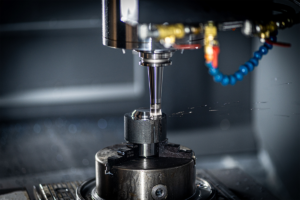
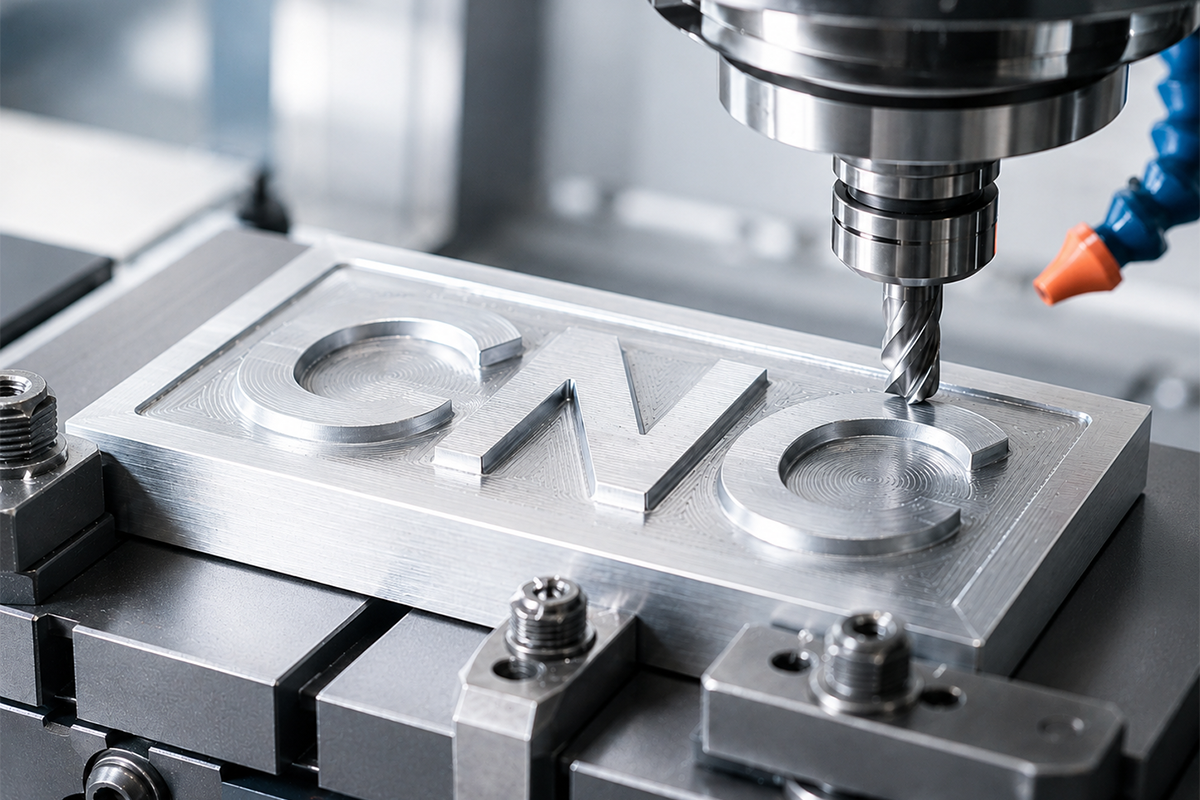
CNC stands for Computer Numerical Control. It describes a manufacturing system in which programmed instructions control the movement of machine tools.
That definition is accurate, but it does not fully explain what CNC means in a real manufacturing project.
For mechanical engineers, CNC represents a set of design rules, process limitations, tolerance capabilities, and inspection requirements. For procurement teams, it represents equipment capability, manufacturing cost, lead time, quality control, and supplier risk.
A CNC machine does not simply receive a CAD file and automatically produce a perfect part. Tool selection, process planning, workholding, machining sequence, inspection, and operator experience all affect the final result.
What Does CNC Mean in an Engineering Project?
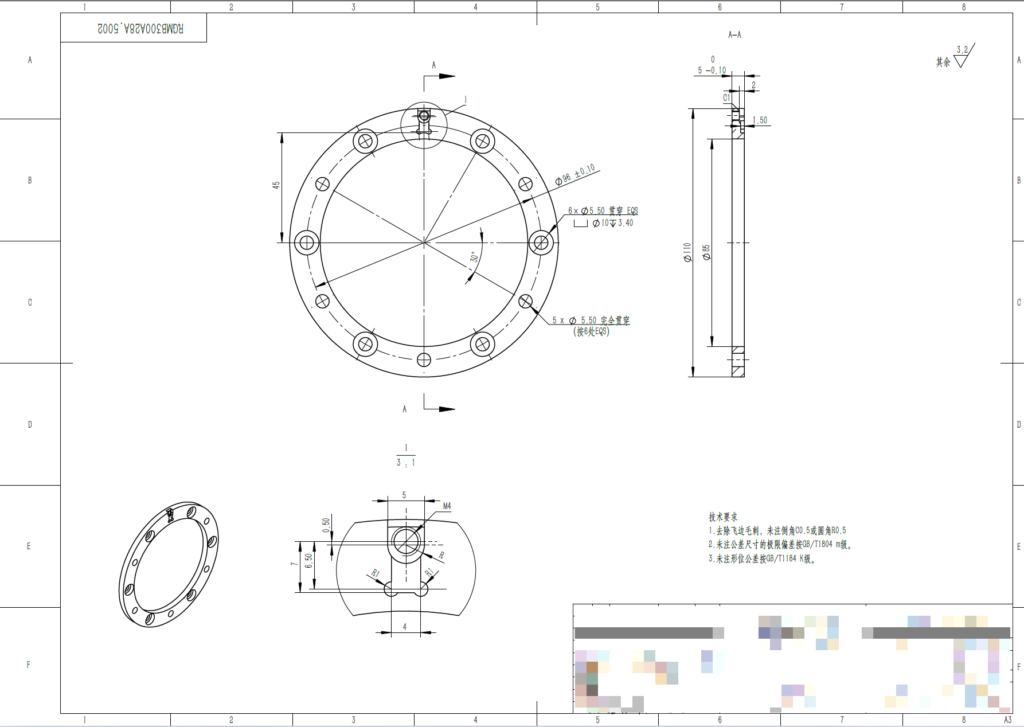
*The authentic drawings, drawn by engineers from Yiling Machinery
A CNC project usually begins with a 3D CAD model. The model defines the ideal geometry of the part, including its holes, pockets, surfaces, and overall dimensions.
However, the model may not explain:
●Which dimensions are functionally critical
●Which surfaces are assembly datums
●Which holes control alignment
●Whether tool marks are acceptable
●Which areas are cosmetic
●How the part should be inspected
This information is usually communicated through a 2D engineering drawing.
A complete drawing may specify dimensional tolerances, geometric tolerances, datum systems, surface roughness, threads, edge requirements, materials, heat treatment, surface finishing, and inspection standards.
The CAD model shows what the part looks like. The engineering drawing explains how the part must function.
When a supplier receives a CNC request for quotation, it must evaluate more than the part geometry. The supplier also determines the machine type, number of setups, tooling, fixtures, inspection methods, outside processes, and production risks.
A CNC quotation is therefore based on a manufacturing plan, not only on part size.
What CNC Machining Does—and Does Not—Guarantee
CNC machining provides controlled and repeatable motion. A machine follows programmed instructions to move the cutting tool or workpiece along defined paths.
This makes CNC suitable for complex geometries, repeated features, precision relationships, prototypes, and production batches.
However, the term “CNC machined” does not automatically guarantee high precision.
Actual accuracy depends on:
●Machine condition
●Tool wear
●Cutting-tool rigidity
●Fixture stability
●Material behavior
●Thermal changes
●Programming strategy
●Operator experience
●Inspection capability
Two suppliers may both use CNC equipment while offering very different tolerance and quality capabilities.
CNC is a manufacturing method, not a quality grade.
CNC also does not remove the need for human judgment. Engineers, programmers, machinists, and inspectors still decide how to hold the part, which tools to use, how to establish datums, and how to verify critical dimensions.
CNC automates movement, not engineering decisions.
Is Your Part Suitable for CNC Machining?
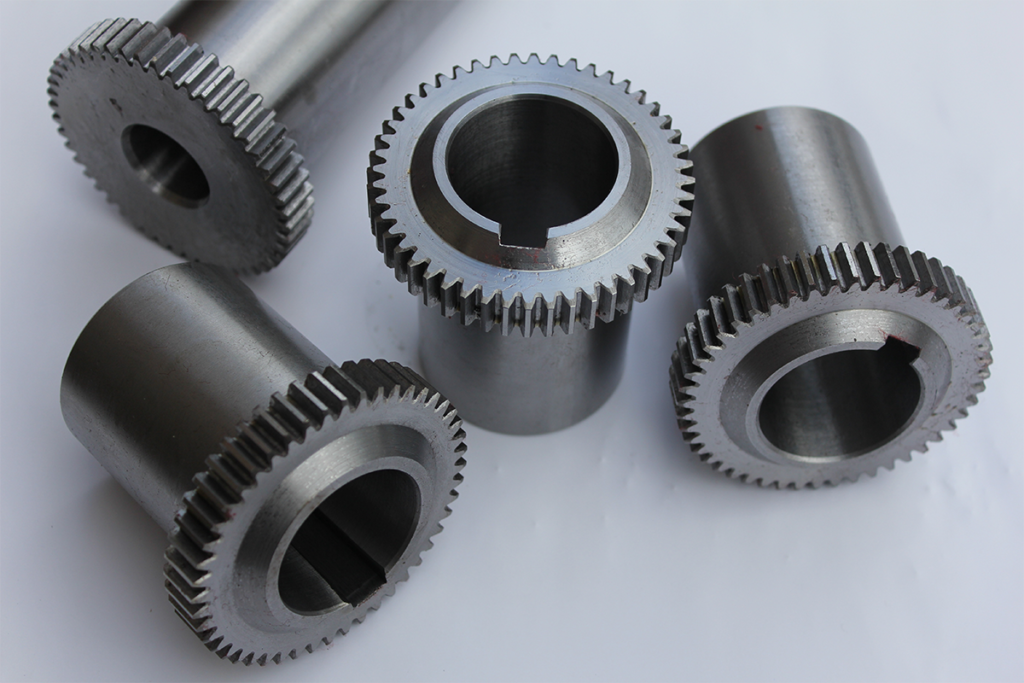
A part may be technically machinable but still be expensive or high-risk.
Engineers should first evaluate the geometry. Deep pockets, narrow slots, thin walls, small internal radii, undercuts, and features on multiple sides can increase machining difficulty.
Internal corners are especially important. Because CNC milling tools are round, they cannot create perfectly sharp internal corners. Deep cavities may also require long tools that are more likely to vibrate or deflect.
Material selection is another major factor. Hard materials may increase tool wear, while thin aluminum or plastic parts may distort during machining. Uncommon material grades can also increase sourcing time and cost.
Tolerance requirements should be based on function. Bearing bores, sealing surfaces, mating diameters, and alignment holes may require tight control. Noncritical dimensions can usually use standard tolerances.
Applying very tight tolerances to every feature increases machining time, inspection effort, scrap risk, and price without necessarily improving performance.
Production quantity also matters. CNC is commonly used for prototypes, engineering samples, low-volume production, and replacement parts. At higher volumes, casting, forging, extrusion, or molding may become more economical.
What Machine Capability Means
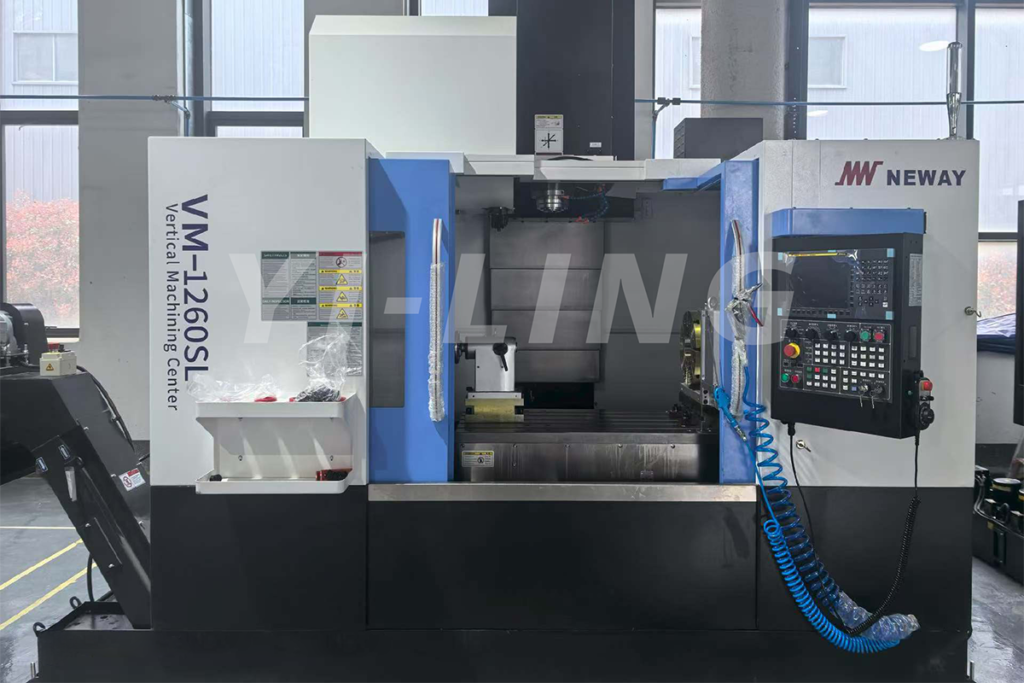
Machine capability should be evaluated according to the part, not simply by counting machine axes.
Three-axis CNC machining is suitable for many plates, brackets, housings, and prismatic components. Parts with features on several sides may require multiple setups.
Each additional setup adds labor and can introduce positional variation.
Five-axis machining allows the tool to approach the part from more directions. It can reduce setups and improve access to angled features or complex surfaces.
However, five-axis machining is not automatically better or cheaper. A simple part may be produced more efficiently on a three-axis machine.
CNC turning is generally suitable for rotational parts such as shafts, bushings, and spacers. Parts that combine turned features with cross holes, slots, or flats may benefit from mill-turn machining.
Machine size also matters. A supplier must have enough axis travel, table space, spindle clearance, bar capacity, and fixture room for the part.
The right question is not simply, “Does the supplier have a five-axis machine?” It is, “Does the supplier have the appropriate process and capacity for this part?”
What Drives CNC Machining Cost?

CNC pricing reflects total manufacturing effort and risk.
Material cost depends on the grade, stock size, availability, certification requirements, and material waste. A small finished part may require a much larger raw block for secure clamping.
Setups are another major cost driver. Each setup requires loading, alignment, clamping, and verification. Custom fixtures or soft jaws may also be needed.
Machining time is affected by material-removal volume, pocket depth, tool size, wall thickness, surface finish, and the number of finishing passes.
Additional processes such as grinding, EDM, heat treatment, anodizing, plating, painting, and laser marking also increase cost and lead time.
Inspection requirements can be equally important. Full dimensional reports, CMM inspection, material certificates, process certificates, and part traceability require additional resources.
Why Do CNC Quotes Vary?
Two suppliers may quote the same part differently because they plan to manufacture it differently.
One supplier may use multiple three-axis setups, while another uses five-axis machining. One may include full inspection documentation, while another includes only basic shop inspection.
Quotes may also use different assumptions about:
●General tolerances
●Material condition
●Surface finishing
●Inspection scope
●Special tooling
●Packaging
●Delivery terms
●Scrap risk
Procurement teams should therefore confirm that all quotations cover the same technical and commercial scope.
The lowest unit price is not always the lowest total cost. Delays, rejected parts, missing documentation, and assembly failures can quickly eliminate the initial saving.
What Should Be Included in a CNC RFQ?
A clear RFQ helps suppliers provide faster and more accurate quotations.
It should include:
●A 3D CAD model
●A matching 2D drawing
●Revision numbers
●Material grade and condition
●Required quantity
●Future production volume
●Dimensional and geometric tolerances
●Surface roughness
●Heat treatment
●Surface finishing
●Cosmetic requirements
●Inspection requirements
●Requird certificates
●Target delivery date
●Packaging instructions
Engineers should also identify critical-to-quality features. Procurement should make sure every supplier receives the same files and requirements.(Of course, none of these are essential. Materials, quantity, and 2D drawings are necessary)
Questions to Ask a CNC Supplier
Before placing an order, ask:Which machine and process will be used?
- How many setups are required?
- Which features present the highest risk?
- Are an drawing requirements unclear?
- How will critical dimensions be inspected?
- Are fixtures and special tools included?
- Are material and process certificates provided?
- How are revisions controlled?
- How are nonconforming parts handled?
- Can the process support future production?
These questions reveal more about a supplier than a machine list alone.
Conclusion
At its simplest, CNC means Computer Numerical Control. In practical manufacturing, its meaning is much broader.
For engineers, CNC means converting design intent into manufacturable geometry, tolerances, materials, finishes, and inspection requirements. For procurement teams, it means comparing manufacturing plans, quotation assumptions, quality controls, lead times, and supplier risks.A successful CNC project depends not only on the machine. It requires a clear connection between design, process planning, machining, inspection, and communication.