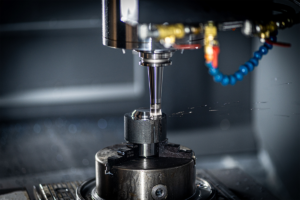
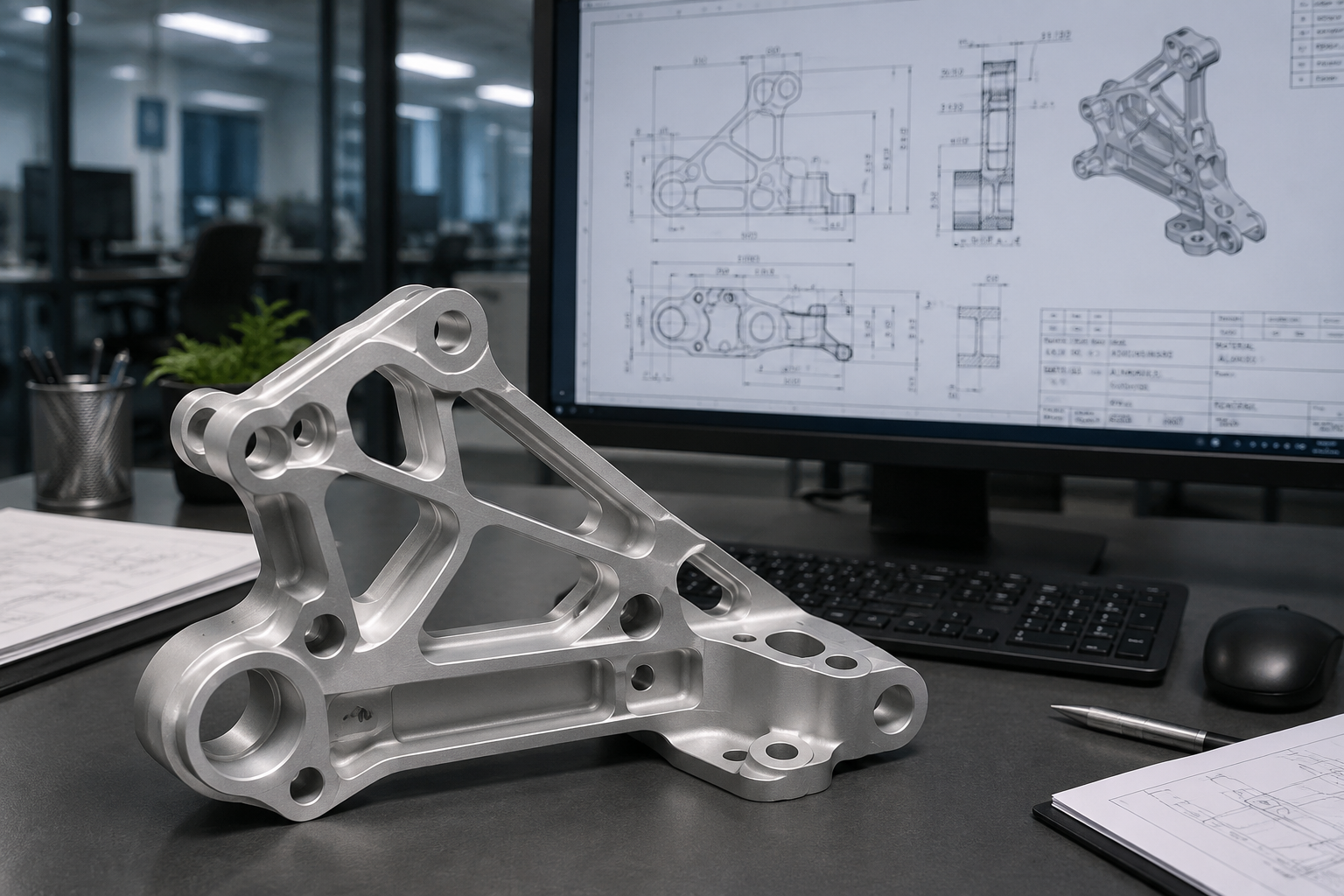
Bead blasting is a surface finishing process that uses compressed air to propel abrasive particles onto CNC machined parts. It improves surface appearance, creates a uniform matte finish, removes light contamination, and prepares parts for processes such as anodizing and coating.
For CNC components, bead blasting is not a repair process. It cannot remove deep scratches, severe machining defects, or incorrect dimensions.
What Is Bead Blasting and Why Is It Used for CNC Machined Parts?
CNC machining often leaves tool marks, different reflection patterns, and minor surface imperfections. Bead blasting creates a consistent texture and improves the overall appearance.
Common purposes include:
– Reducing visible machining marks;
– Creating matte or satin finishes;
– Cleaning surfaces;
– Preparing for anodizing or coating.
How Does Bead Blasting Change CNC Parts?
Bead blasting changes the surface appearance and roughness of CNC parts. The result depends on media type, particle size, pressure, blasting distance, and processing time.
Over-processing may cause excessive roughness, rounded edges, or dimensional changes.
How to Choose the Right Bead Blasting Media for CNC Parts
Common blasting media include glass beads, ceramic beads, and aluminum oxide.
Glass beads provide a fine and uniform matte finish and are widely used for aluminum and stainless steel cosmetic parts.
Ceramic beads provide stable and repeatable results for high-quality production.
Aluminum oxide has stronger cutting ability and is mainly used for cleaning, oxidation removal, and surface preparation before coating.
Bead Blasting Aluminum CNC Parts
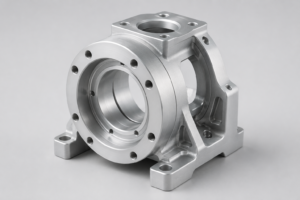
Aluminum is one of the most common CNC materials for bead blasting. Alloys such as 6061, 6082, and 7075 are widely used.
Bead blasting improves appearance by reducing tool marks and creating a consistent matte surface.
Common applications include electronic housings, aerospace parts, automation components, and consumer products.
Important considerations:
– Aluminum is relatively soft;
– Excessive pressure may damage edges or thin walls;
– Precision holes, threads, bearing seats, and sealing areas usually require masking.
A common process sequence is:
CNC machining → Deburring → Cleaning → Bead blasting → Anodizing.
Bead Blasting Bronze CNC Parts
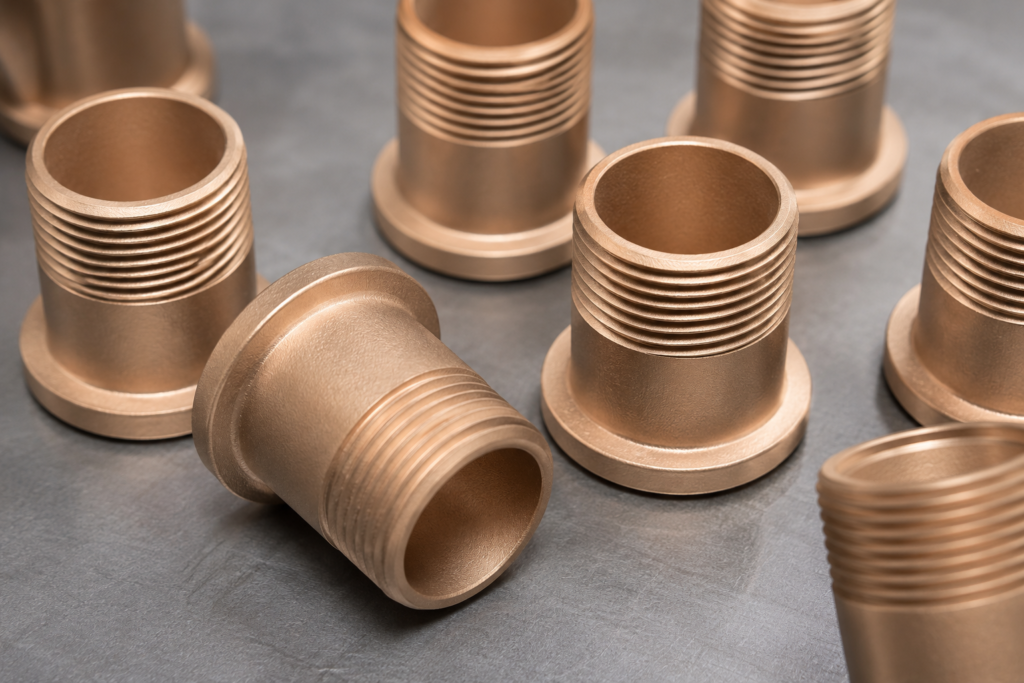
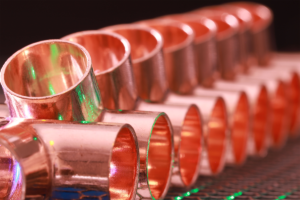
Bronze CNC parts are commonly used for bushings, bearings, valves, and decorative components.
Bead blasting can remove machining marks, improve surface uniformity, and create matte or antique finishes.
Because bronze is relatively soft, aggressive blasting may cause surface dents, excessive roughness, or loss of fine details.
Precision functional areas should usually be protected during blasting.
Will Bead Blasting Affect CNC Part Dimensions and Tolerances?
Bead blasting is a controlled impact process and may slightly remove material or affect surface geometry.
Critical areas such as precision holes, shafts, threads, bearing locations, sealing surfaces, and datum faces should be protected.
Thin-wall parts and delicate structures require special attention.
How Does Bead Blasting Work with Anodizing and Other Finishing Processes?
Bead blasting is often combined with other finishing processes.
Typical workflow:
CNC machining → Deburring → Cleaning → Masking → Bead blasting → Cleaning → Anodizing or coating
For aluminum, blasting controls texture while anodizing provides color and corrosion resistance.
How to Clearly Define Bead Blasting Requirements to CNC Suppliers
To achieve consistent results, customers should clearly define requirements instead of only specifying ‘bead blasting’.
Important information includes:
1. Blasting area and masking requirements;
2. Blasting media type;
3. Desired appearance;
4. Protected functional surfaces;
5. Follow-up processes such as anodizing or coating;
6. Inspection requirements.
Example specification:
External cosmetic surfaces shall be bead blasted using fine glass beads to achieve a uniform matte finish. Threads, precision holes, sealing surfaces, and critical tolerance areas shall be masked. The finished surface shall be free from uneven texture and abrasive residue.
Conclusion
Bead blasting is an important surface treatment process for CNC machined parts. For aluminum and bronze components, selecting the correct media, controlling process parameters, protecting critical features, and communicating requirements clearly with suppliers are essential for achieving consistent quality.